High-Performance Vehicle Protection: Special Considerations for Sports Cars
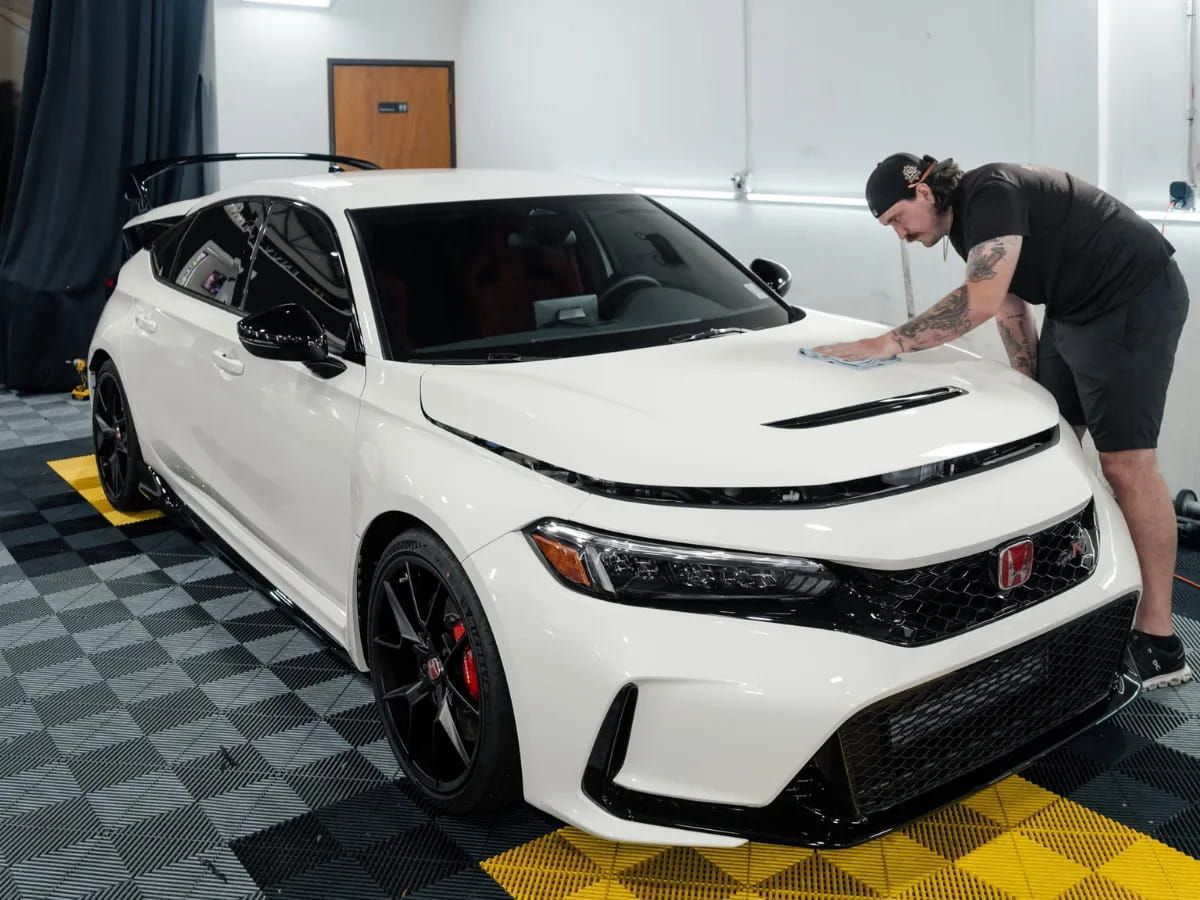
Your sports car wasn't built to sit in a garage. It was engineered for performance, designed to carve corners, and built for conditions that make luxury sedans nervous. That means your sports car paint protection needs go beyond keeping the finish shiny.
Performance vehicles face unique challenges. Track days, spirited drives, high-speed aerodynamic forces, and brake dust from aggressive stopping all attack paint and exterior surfaces. Standard protection doesn't work when your vehicle operates under these conditions. Let's talk about what actually works for cars driven the way they were meant to be.
Why Performance Vehicles Need Different Protection
High-performance driving generates serious heat. Brake rotors glow during hard stops. Exhaust systems run hot enough to discolor surfaces. Engine compartments reach temperatures that would cook standard vehicles. Your paint protection must handle thermal stress that others never see.
Aerodynamic forces at speed create different wear patterns. Air flowing over your vehicle at high speeds carries particles that sandblast exposed surfaces. The front bumper, hood, mirrors, and A-pillars take constant debris impacts. Paint protection film on these zones becomes essential.
Track environments amplify every challenge. Rubber marbles, oil drips, racing fuel splashes, and aggressive cleaners all attack your finish. Weekend track warriors need protection built for punishment.
Front-End Protection: The Critical Zone
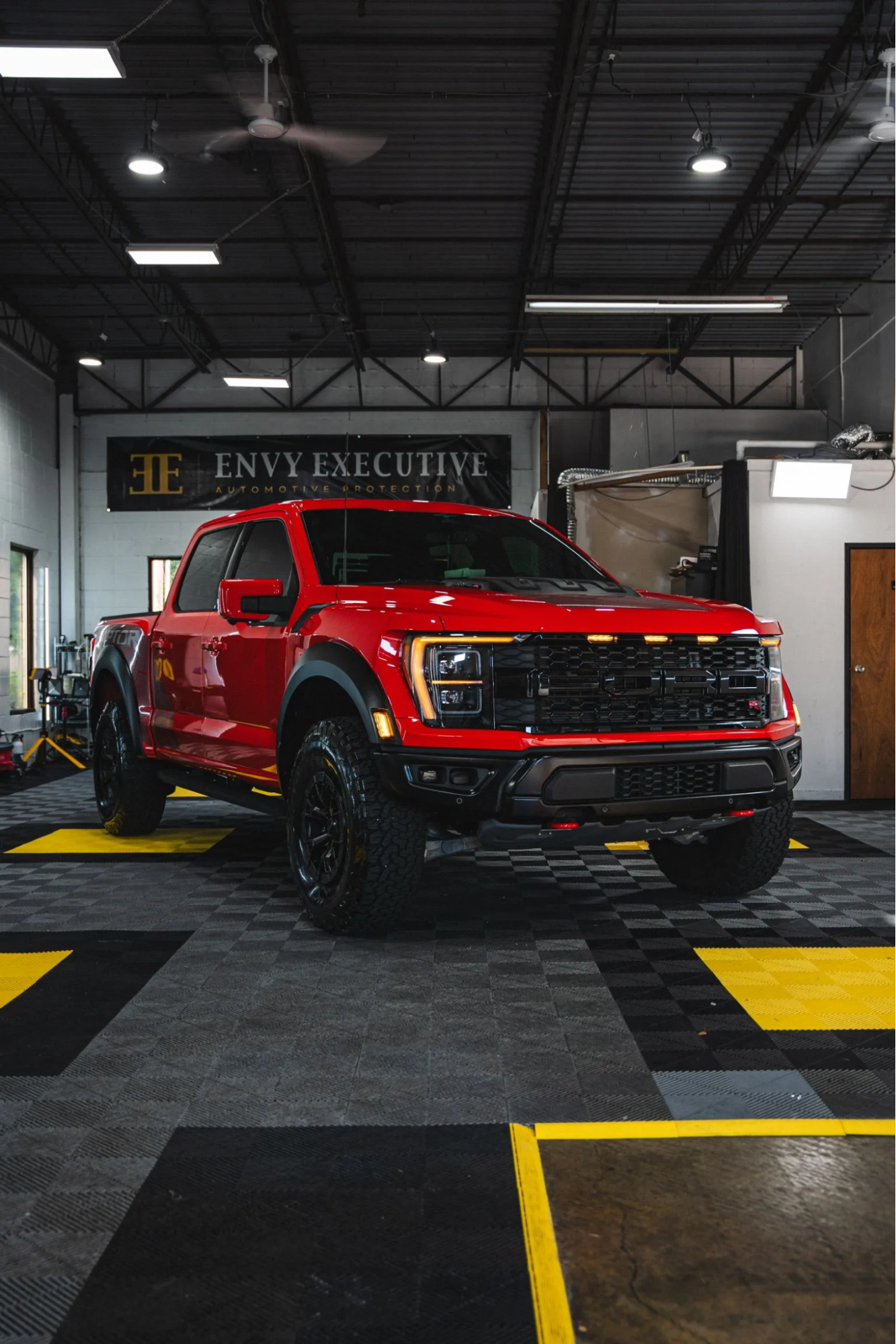
The nose takes more abuse than any other area. At speed, every piece of road debris becomes a projectile aimed at your front bumper, hood, and headlights.
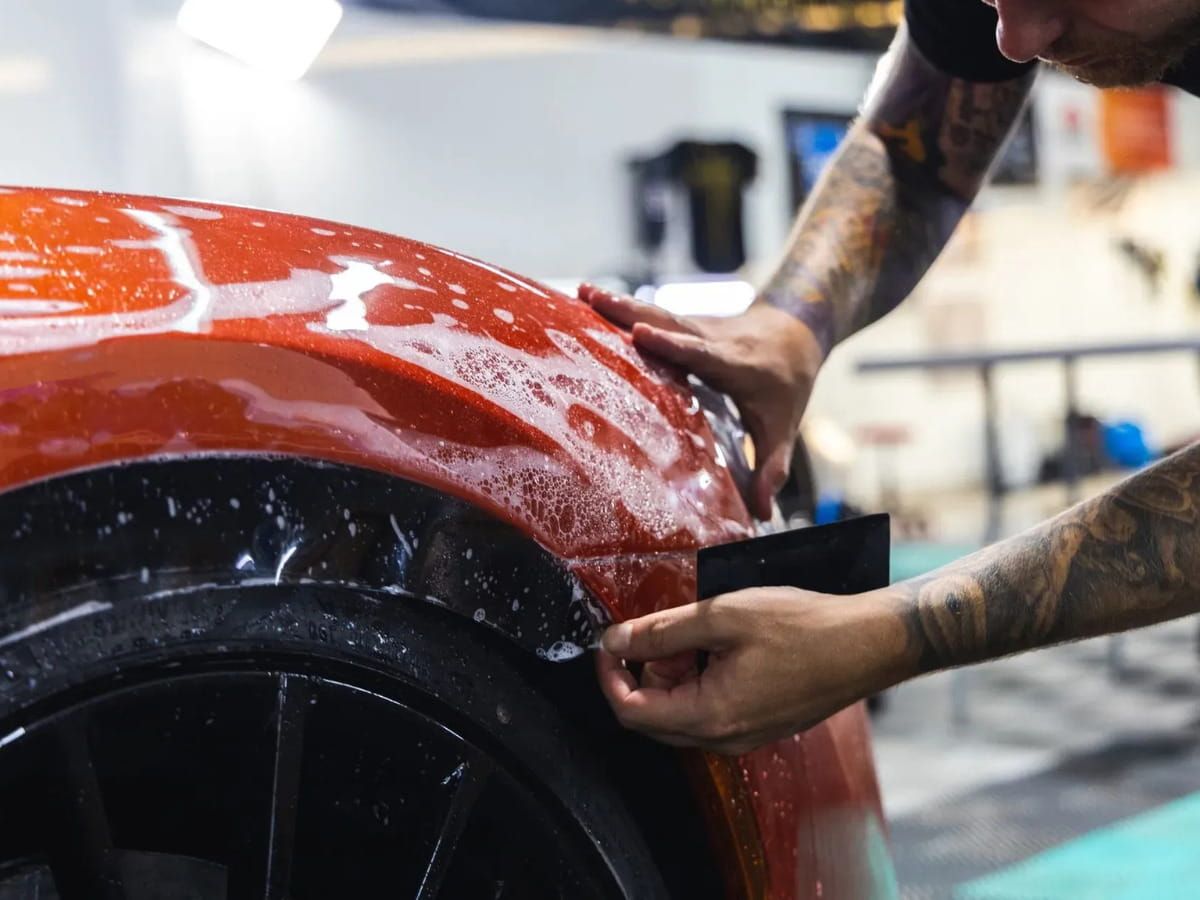
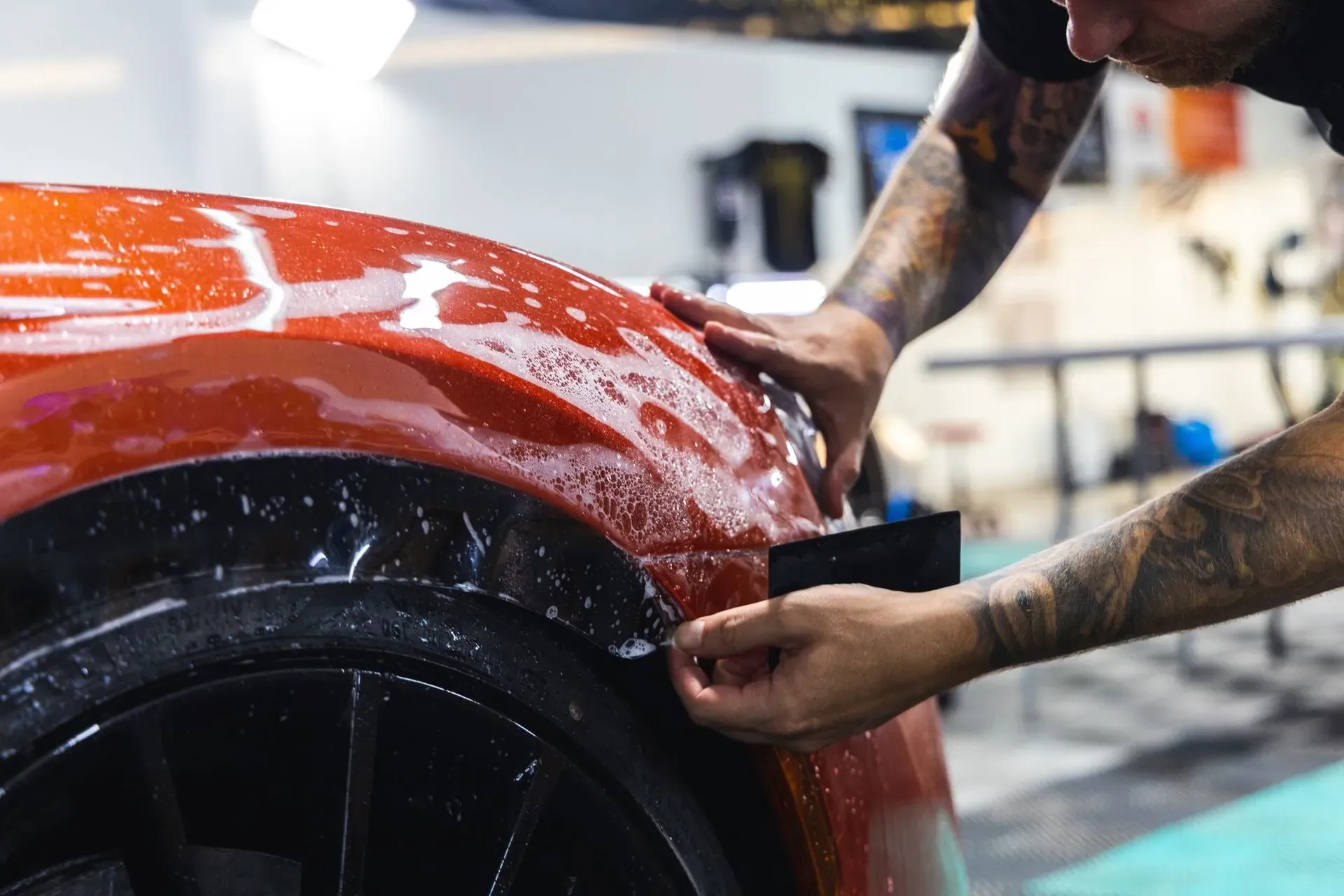
Rock chips aren't just cosmetic. Each chip exposes bare paint to moisture and contaminants. On performance vehicles where aerodynamics matter, even minor damage can disrupt airflow. Full-front PPF coverage provides transparent armor where impacts concentrate. Self-healing properties mean minor scratches from track debris disappear with heat.
Mirror caps and side skirts also need coverage. These surfaces catch debris kicked up by your tires and vehicles ahead. Protection maintains clean lines while preventing chips.
Heat-Resistant Protection Solutions
Ceramic coatings offer heat resistance that wax can't match. The molecular bond withstands temperatures from hot engines, brake systems, and exhaust components. This thermal stability keeps the protection active after hard driving.
Hood surfaces above hot engines benefit from ceramic's heat tolerance. The coating resists thermal cycling while maintaining hydrophobic properties. Brake dust settles during aggressive driving, and ceramic makes removal easier during cleaning. Engine bay components can also receive treatment for heat protection and simpler maintenance.
Track Day Preparation and Protection
Pre-track inspection ensures existing protection remains intact. Check PPF edges for lifting, examine ceramic coating conditions, and address damage before track conditions. Small issues become bigger problems under racing stress.
Additional protection for vulnerable areas makes sense:
- Temporary protective films on headlights prevent rock chip damage
- Leading-edge protection on splitters guards against curbing contact
- Extra layers on high-risk zones for track events
Post-track cleaning removes contaminants before they cause damage. Brake dust, rubber deposits, and track chemicals need prompt removal. Proper protection makes cleaning faster and less likely to inflict scratches.
Aerodynamic Considerations for Protection
Quality PPF adds minimal thickness while conforming to body contours. Professional installation ensures film follows every curve without creating edges that disrupt airflow. Paint correction before application ensures flawless surfaces. On performance vehicles where every detail matters, starting with perfect paint makes sense.
Weight considerations matter for serious track cars. PPF and ceramic coatings add minimal weight. The protection-to-weight ratio favors these modern solutions.
Brake Dust and Chemical Resistance
Performance brake pads produce fine metallic dust that bonds to surfaces when hot. This dust is corrosive and difficult to remove once baked on. Ceramic coating creates a barrier, preventing bonding, allowing easier removal during washing.
Wheel faces receive constant brake dust bombardment. Coating wheel surfaces means dust washes off rather than etching into the finish. Lower body panels behind wheels also collect brake dust and grime. Extending ceramic coating protection prevents buildup and corrosion.
Installation Expertise for Performance Vehicles
Installers need to recognize how aggressive aerodynamics affect film placement. Edges must be tucked properly to prevent lifting at speed. High-pressure zones require extra attention for adhesion under aerodynamic loads.
Custom wrapping around complex bodywork requires skill. Carbon fiber components, vented hoods, and integrated spoilers present installation challenges. Removable splitters and wings benefit from pre-installation protection so components stay pristine when removed.
Maintaining Protection Under Hard Use
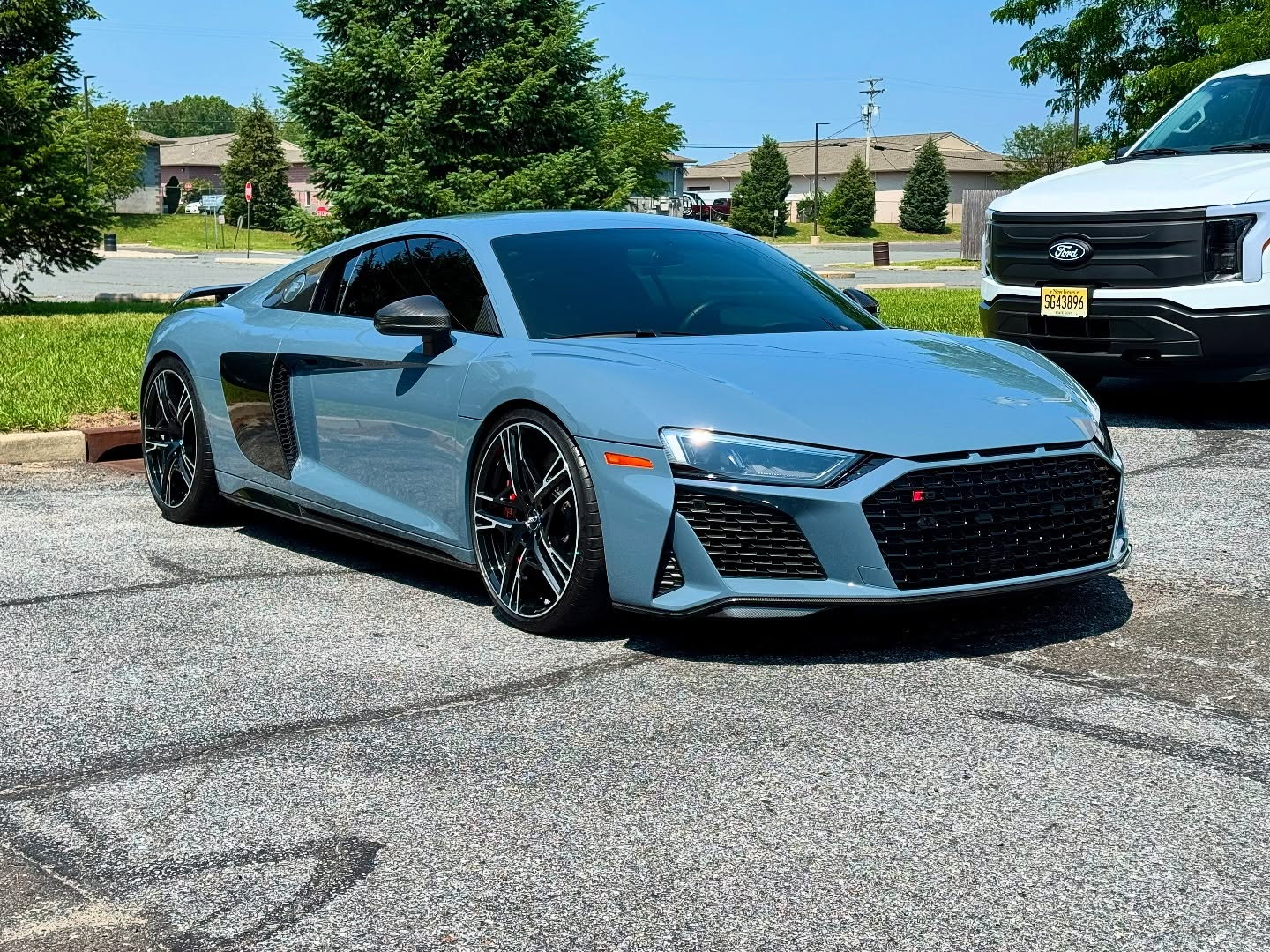
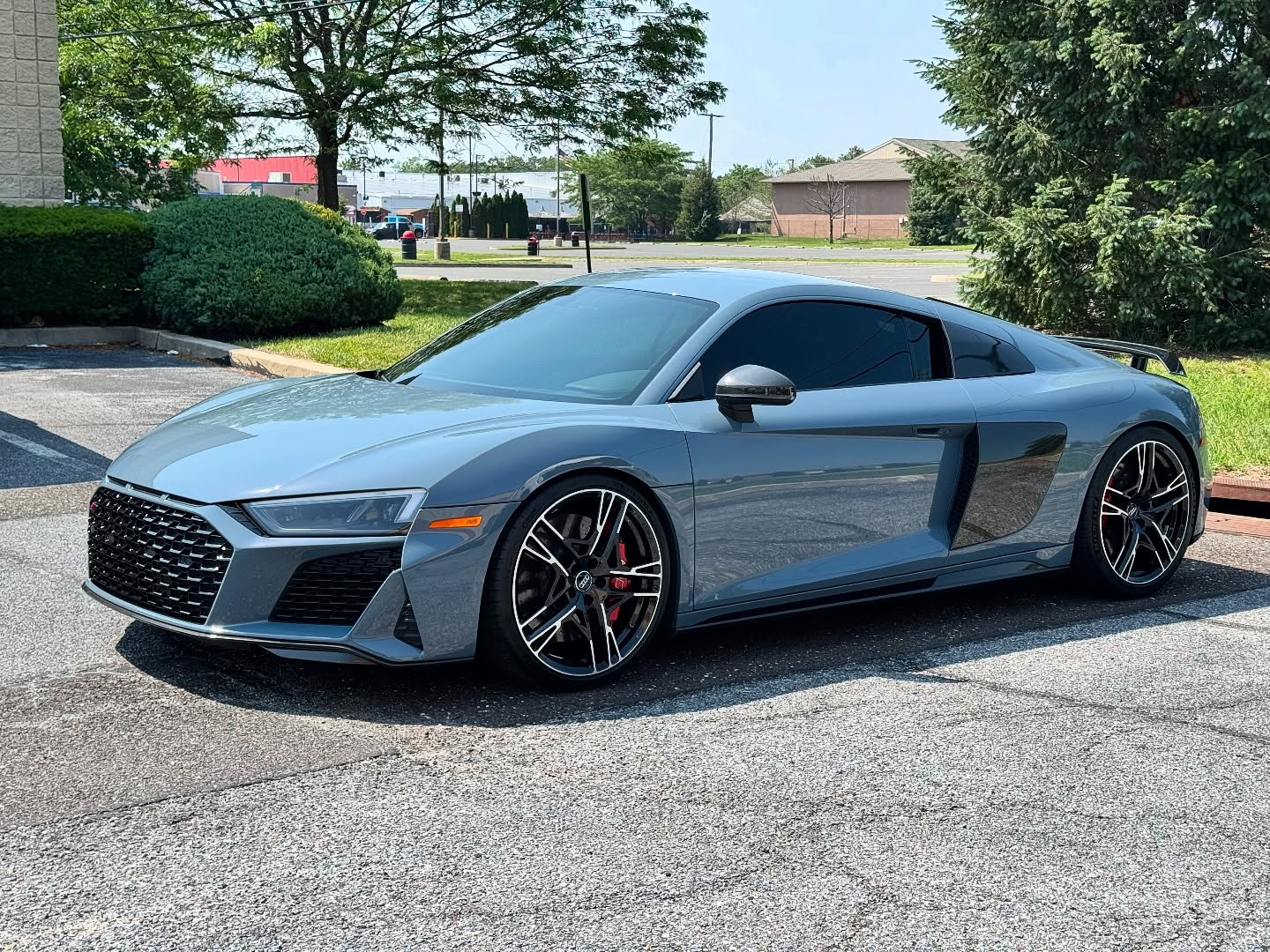
Regular inspection catches issues early. After track days or spirited drives, check protection for debris damage. Small repairs prevent spreading problems. PPF can often be spot-repaired rather than fully replaced.
Proper washing technique matters more for performance vehicles. Car detailing approaches for daily drivers might not suffice for vehicles with track residue. Using proper techniques maintains protection effectiveness.
Reapplication timelines depend on use intensity. Street-driven sports cars follow standard schedules. Track-dedicated machines may need more frequent inspection due to harsh conditions.
Protection That Matches Your Performance
Your sports car paint protection strategy should match how you use your vehicle. Weekend drives need different coverage than dedicated track machines.
Working with specialists who understand performance vehicles makes the difference. They're purpose-built machines with specific vulnerabilities based on engineering and use. Generic luxury car advice doesn't apply.
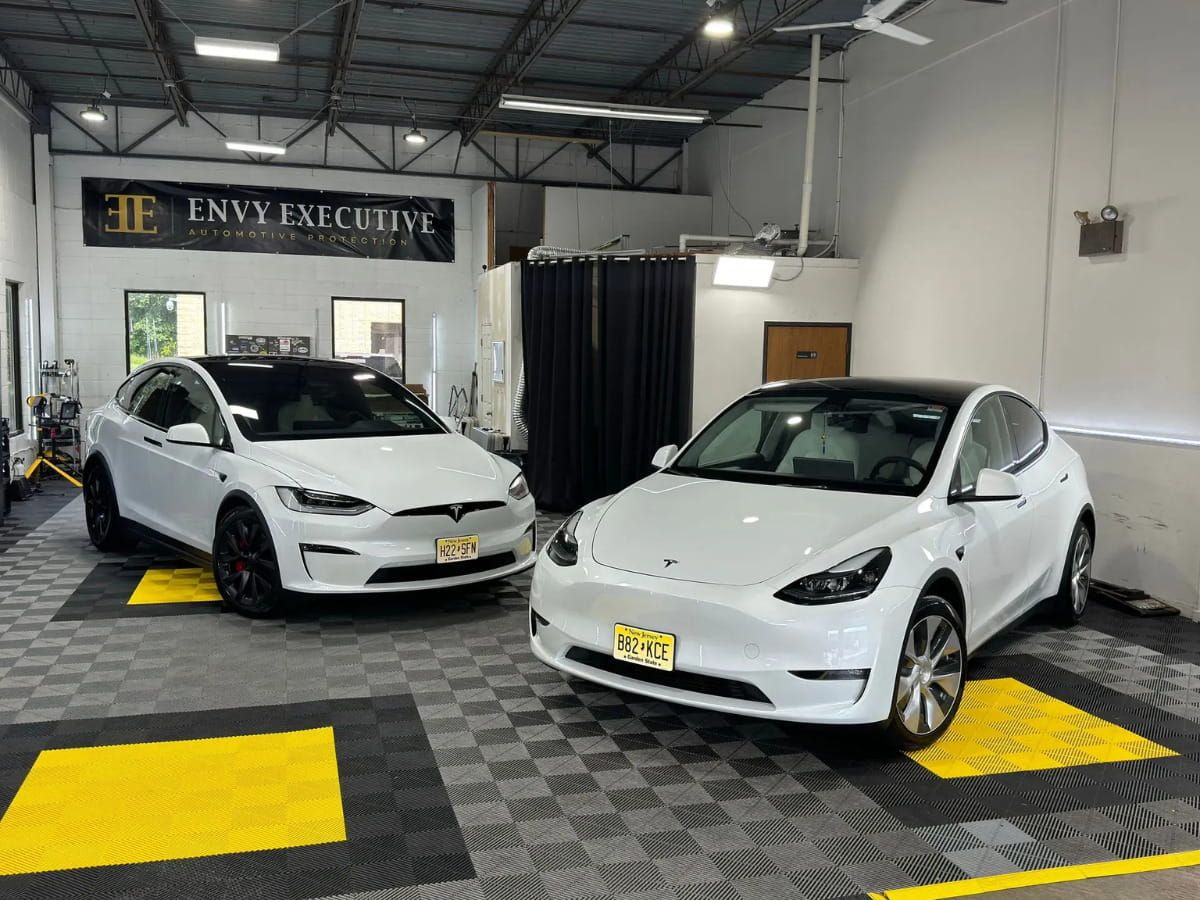
At Envy Executive Automotive Protection, understanding how different vehicles operate influences protection recommendations. Connect with specialists who appreciate performance vehicles. Discuss your driving conditions, track plans, and protection goals. Getting the right protection starts with conversations recognizing your sports car deserves solutions designed for how it's driven.
Frequently Asked Questions
Will paint protection film affect my car's aerodynamics?
Quality PPF installed properly adds minimal thickness and conforms to body contours without disrupting airflow. The film's thickness is negligible compared to paint itself, so aerodynamic impact is essentially zero when applied correctly by professionals.
Can I take my PPF-protected sports car to the track?
Absolutely. PPF protects against exact track conditions - rock chips, debris impacts, and abrasive contact. Many track enthusiasts add PPF specifically for harsh track environments. Post-track cleaning removes debris without special treatment beyond normal maintenance.
How does ceramic coating handle high-performance brake dust?
Ceramic coating creates a chemical-resistant barrier, preventing brake dust from bonding. Dust sits on the coating rather than etching into the paint. This makes removal during washing significantly easier and prevents the corrosive effects of baked-on metallic brake dust.
Should I protect carbon fiber components differently?
Carbon fiber benefits from the same protection as painted surfaces. PPF protects the clear coat over the carbon weave from chips. Ceramic coating enhances appearance while providing UV protection. Protection prevents yellowing and damage to expensive components.
Does paint protection add weight to track-focused builds?
PPF and ceramic coatings add minimal weight to vehicles. This is insignificant even on lightweight track builds. Protection benefits far outweigh any weight considerations, especially considering expensive repainting after track damage.
Envy Executive CW Blog