The Difference Between Wax, Sealant, and Ceramic Coating
Walk into any auto care shop, and you'll hear about wax, sealant, and ceramic coating. Three different products, three wildly different price points, and three completely different approaches to protecting your paint.
Understanding wax vs sealant vs ceramic options comes down to knowing what each product actually does and how long it lasts. Let's break down what separates these protection methods.
How Each Protection Method Works
Wax is the traditional approach - natural carnauba or synthetic blends that sit on top of paint. It adds shine and beads water while filling minor imperfections. The keyword is temporary.
Sealant uses synthetic polymers that bond more strongly to paint than wax. These formulas create longer-lasting protection with similar water-beading properties. Sealants don't have the warm glow of natural wax, but they stick around longer.
Ceramic coating changes the game. Instead of sitting on paint, ceramic coatings chemically bond to the surface at a molecular level. This creates semi-permanent protection that's significantly harder and more resistant. The difference shows in longevity and what it can handle.
Durability: How Long Does Protection Last?
This is where the wax vs sealant vs ceramic debate gets interesting.
Wax gives you the shortest protection window—frequent reapplication is needed within weeks. Rain, sun, and car washes gradually strip it away. For some people, regular waxing is part of vehicle care. For busy professionals, it's another weekend task.
Sealant extends that timeline significantly with protection lasting months rather than weeks. The synthetic formula resists UV rays and environmental contaminants better than wax. You're trading some deep shine for protection that doesn't demand constant attention.
Ceramic coating operates on a different timeline entirely - several years when properly maintained. The upfront investment reflects this longevity, but the math changes when you calculate how many wax or sealant applications you'd need over the same period.
Application: What's Required for Each Option?
Wax application is straightforward - clean the surface, apply, let it haze, and buff it off. Most owners can handle this themselves with basic supplies. The process takes a few hours and repeats regularly.
Sealant application follows similar steps but requires more attention to surface preparation. Paint needs proper cleaning and contaminant removal for good bonding.
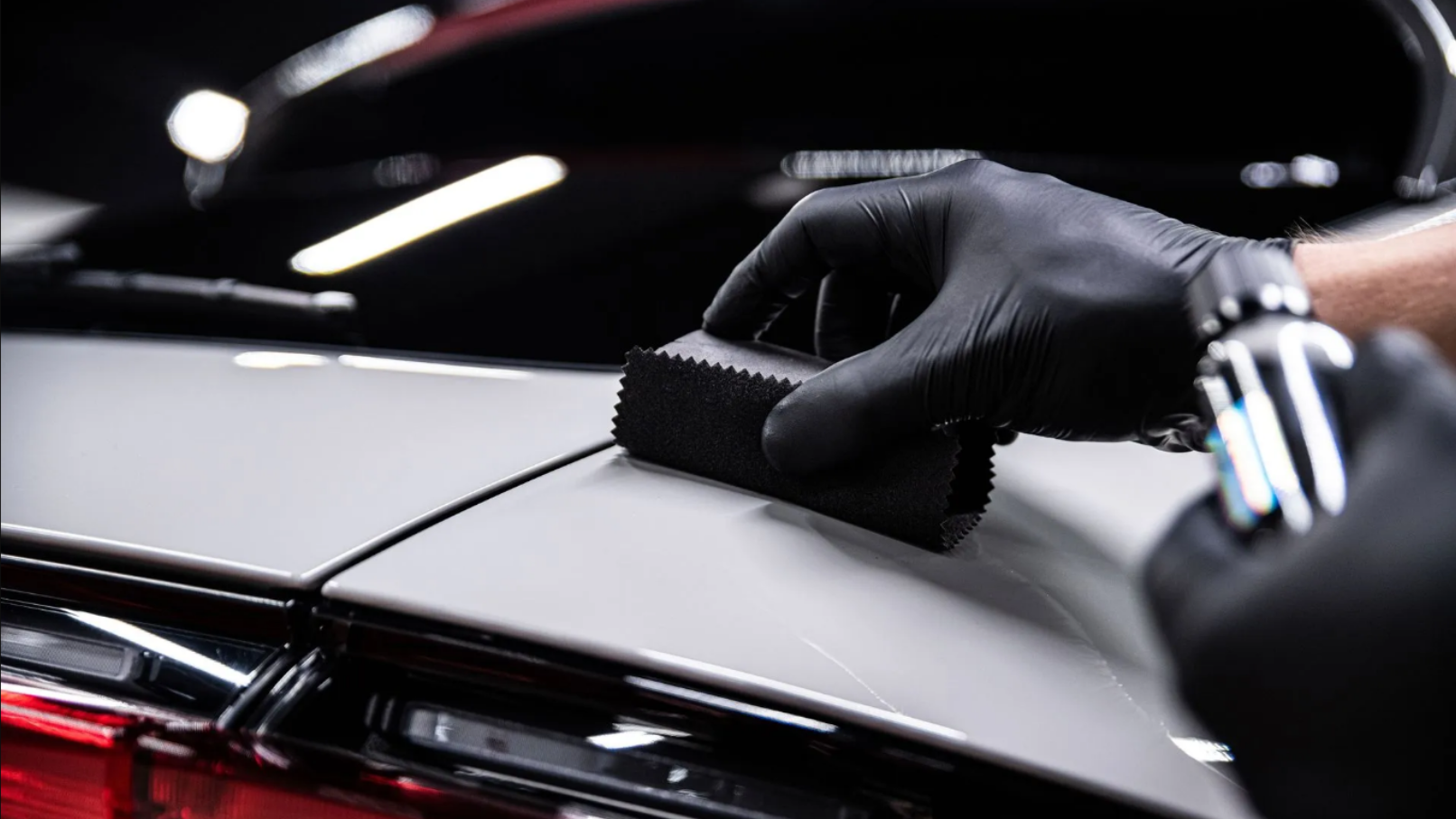
Ceramic coating application demands professional installation. Surface preparation includes thorough decontamination and often paint correction to remove defects. This requires controlled environments, specific techniques, and curing time. The complexity explains higher costs but ensures proper bonding.
Maintenance Requirements Over Time
Waxed vehicles need gentle washing to preserve protection. Hand washing works best, avoiding harsh chemicals. Frequent reapplication becomes part of regular maintenance.
Sealant-protected vehicles have similar washing needs but longer intervals between reapplications. The synthetic formula tolerates automated washes better, though hand washing extends the protection life.
Ceramic-coated vehicles change the equation. Hydrophobic properties mean dirt doesn't stick as hard.Car detailing becomes easier because contaminants rinse off readily. Washing is simpler, and protection doesn't disappear with each wash.
Cost Analysis: Investment vs. Value
Wax has the lowest entry cost and DIY application, but multiply that by frequent reapplications over the years. Add time investment, and the total picture changes.
Sealant costs more per application but lasts longer. Fewer annual applications and time savings shift the math in your favor compared to wax.
Ceramic coating has the highest upfront cost with professional installation. Spread across years of protection, the per-month cost becomes competitive. Reduced maintenance time and fewer products needed strengthen the value proposition.
Performance Characteristics: Real-World Differences
Shine and appearance: Wax delivers a warm, deep glow. Sealant provides a crisp, reflective shine. Ceramic coating amplifies natural gloss with a glass-like finish.
Protection level: Wax offers basic defense against light contaminants and UV rays. Sealant steps up resistance to environmental damage. Ceramic coating provides the strongest defense against swirl marks, chemical etching, and UV degradation.
Water behavior: Wax creates decent beading. Sealant is enhanced with tighter beads and better sheeting. Ceramic coating delivers extreme hydrophobic properties where water practically flies off.
Choosing the Right Protection for Your Needs
Consider wax if you enjoy hands-on vehicle care, want natural carnauba warmth, drive a classic or show car, or have time for regular maintenance.
Sealant makes sense when you want better protection than wax without a ceramic investment, prefer less frequent maintenance, can handle DIY application, or need good protection on a moderate budget.
Ceramic coating fits if you're investing long-term in your vehicle, want maximum protection with minimum maintenance, drive a newer or high-value vehicle, or prefer professional-grade results lasting years.
Some owners at
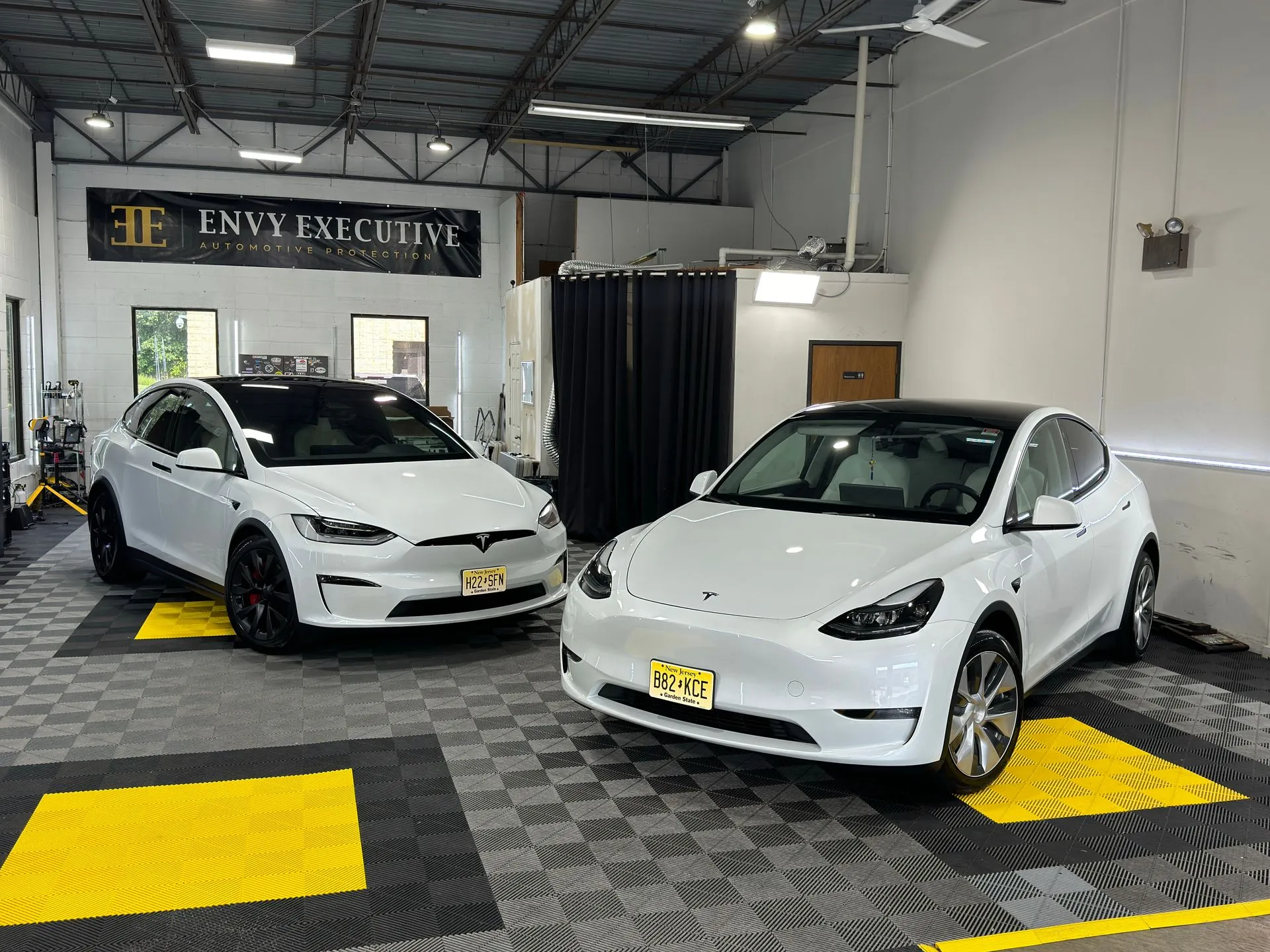
Envy Executive Automotive Protection combine approaches for specific needs. There's no universal answer, just what works for your vehicle and lifestyle.
Find Your Perfect Protection Solution
Understanding wax vs sealant vs ceramic differences helps you make decisions based on facts rather than marketing. Each option works depending on your goals, budget, and vehicle use.
Protection needs for a garage-kept weekend car differ from those of a daily driver facing harsh weather. Your maintenance preferences matter too - some find satisfaction in regular waxing, others want years of worry-free protection.
Connect with Envy Executive Automotive Protection to discuss which protection method makes sense for your vehicle and lifestyle. Getting the right protection starts with understanding your options.
Frequently Asked Questions
Can I apply sealant over wax or vice versa?
Layering wax over sealant reduces effectiveness since wax doesn't bond as strongly. Sealant over wax doesn't work because it can't bond to the wax layer. Choose one approach for the best results. If switching, strip existing protection completely first.
How do I know when my protection needs reapplication?
Water beading behavior tells the story. When water stops beading tightly and sheets lie flat, protection is fading. The surface feels rougher and collects dirt more readily. Check wax monthly and sealant after several months.
Will ceramic coating eliminate the need for washing?
Ceramic coating makes washing easier and less frequent, but doesn't eliminate cleaning. Dirt, bird droppings, and contaminants still accumulate. The hydrophobic properties mean less scrubbing and quicker cleaning, but regular washing remains necessary.
Can I apply ceramic coating myself with DIY kits?
DIY kits exist, but professional application delivers better results. Surface preparation requires expertise and equipment. Application technique affects bonding and curing. Mistakes are difficult to correct. Professional installation ensures proper bonding and activates manufacturer warranties.
Does paint protection eliminate the need for paint correction?
Protection preserves the current condition but doesn't fix existing defects. Swirl marks and oxidation remain under any protection. Many choose paint correction before applying protection to lock in a flawless finish.
Envy Executive CW Blog