Why South Jersey Vehicles Face Different Paint Protection Challenges Than Most Drivers Realize
When it comes to protecting your vehicle's paint, location matters more than most people
think.
A vehicle driven in South Jersey faces a very different set of environmental conditions than
one driven in Arizona, Florida, or even other parts of New Jersey. From winter road salt and
highway debris to pollen, tree sap, and year-round contamination, local conditions can take a
significant toll on your vehicle's appearance and long-term value.
At Envy Executive Automotive Protection, we've worked with hundreds of vehicle owners
throughout West Berlin, Marlton, Voorhees, Medford, Haddonfield, Mount Laurel, and
surrounding South Jersey communities. Over the years, we've seen firsthand how local
driving conditions impact vehicle finishes and why paint protection has become more
important than ever.
If you're considering ceramic coatings, paint protection film (PPF), or other vehicle protection
services, understanding these challenges can help you make a more informed decision.
The Reality of Driving in South Jersey
Many vehicle owners think paint damage happens suddenly: a rock chip, a scratch, or a
parking lot incident.
In reality, most paint deterioration happens gradually through daily exposure to
environmental contaminants.
South Jersey creates a unique combination of factors that constantly challenge your
vehicle's exterior:
- Winter road salt,
- Highway debris,
- Industrial fallout,
- UV exposure,
- Tree sap,
- Pollen,
- Construction dust,
- Hard water deposits,
- Bird droppings,
- Seasonal weather fluctuations.
Individually, these issues may seem minor. Over time, however, they can significantly impact
the condition of your paintwork.
Winter Road Salt: The Hidden Threat
One of the biggest challenges for South Jersey vehicle owners arrives every winter.
Road crews use salt and brine solutions to improve driving conditions during snow and ice
events. While these treatments help keep roads safer, they can be extremely harsh on
vehicle surfaces.
Salt residue can cling to:
● Paint,
● Wheels,
● Trim,
● Undercarriage components.
Even vehicles that are washed regularly often accumulate contamination in areas that are
difficult to clean thoroughly.This is one reason many owners invest in paint protection film and ceramic coatings before
winter arrives. Protective solutions help reduce contamination bonding and make
maintenance significantly easier throughout the season.
Highway Driving Creates Constant Paint Risks
South Jersey drivers often spend significant time commuting on major roadways such as:
I-295,
New Jersey Turnpike,
Route 70,
Route 73,
Route 42,
Atlantic City Expressway.
While convenient, these roads expose vehicles to a steady stream of debris and
contaminants.
Small rocks, sand, road grit, and tire particles can strike the front of your vehicle at highway
speeds. Over time, this leads to:
● Paint chips,
● Surface damage,
● Premature wear,
● Loss of gloss.|
For drivers who frequen
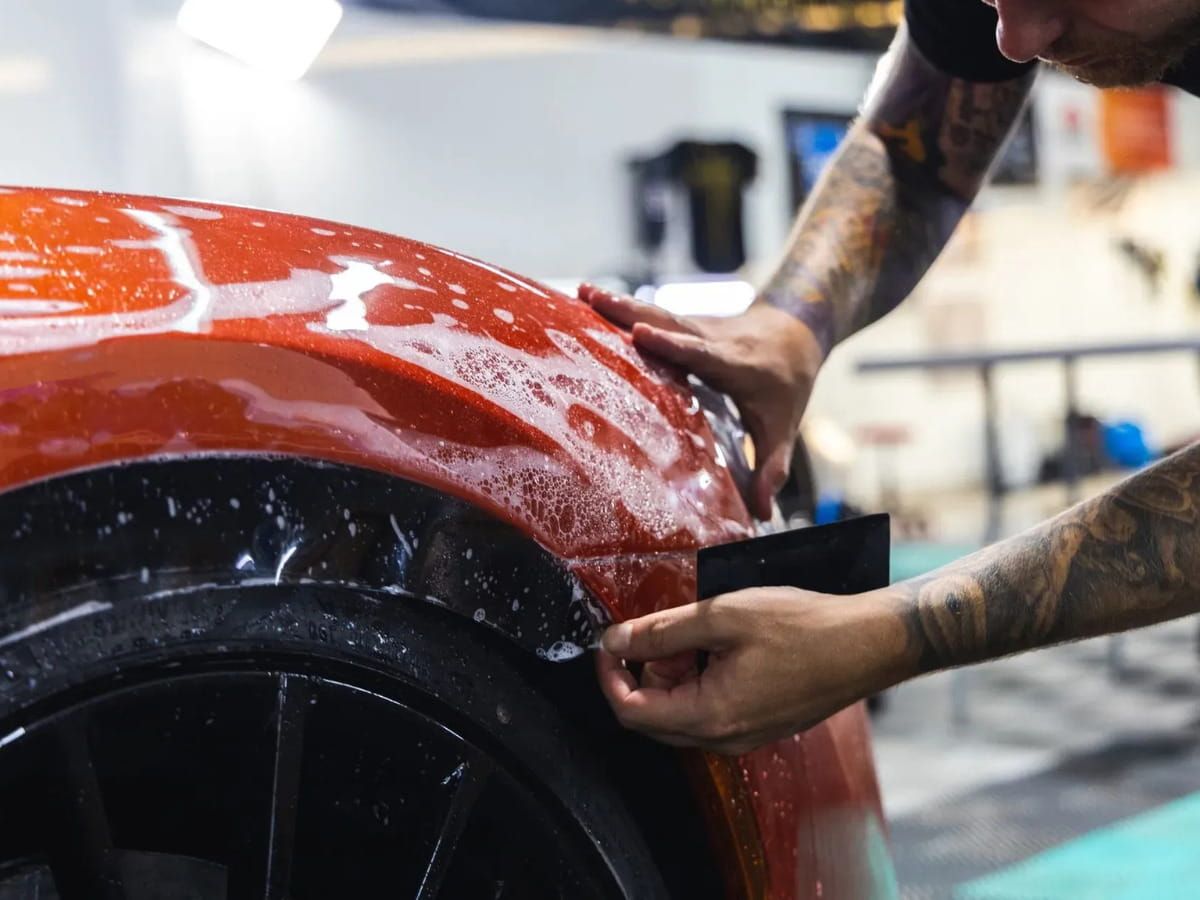
tly travel these routes, paint protection film (PPF) has become one of
the most effective solutions available.
Unlike ceramic coatings, which focus primarily on chemical resistance and easier
maintenance, PPF provides a physical barrier that helps absorb impacts before they reach your paint.
Tree Sap and Pollen Are Bigger Problems Than Most People Realize
South Jersey's beautiful neighborhoods and wooded areas come with a hidden downside for
vehicle owners.
Many communities throughout the region feature mature trees that produce large amounts of
pollen and sap throughout the year.
We've seen vehicles arrive with:
- Heavy pollen accumulation,
- Tree sap deposits,
- Organic staining,
- Surface etching.
When left on paint for extended periods, these contaminants can become difficult to remove
and may even damage the finish.
Vehicles parked outdoors are particularly vulnerable during spring and summer months.
This is where both ceramic coatings and paint protection film can help by creating protective
barriers that make clean-up easier and reduce direct contact between contaminants and the
paint surface.
Construction and Development Bring Additional Contamination
South Jersey continues to experience growth and development throughout many
communities.
While this growth is positive for the area, it creates another challenge for vehicle owners.
Construction zones generate:
- Concrete dust,
- Metal particles,
- Airborne debris,
- Industrial contaminants.
These particles can settle on vehicle surfaces and bond to the paint over time.
Many drivers don't notice contamination until the paint begins feeling rough or loses its
smooth finish.
Professional paint decontamination and ongoing protection can help reduce long-term
damage caused by these environmental factors.
UV Exposure Doesn't Just Affect Southern States
One of the most common misconceptions we hear is that UV damage is only a major
concern in places like Florida, Arizona, or Texas.
The truth is that UV exposure affects vehicles throughout New Jersey as well.
Over time, sunlight contributes to:
- Oxidation,
- Paint fading,
- Loss of gloss,
- Clear coat deterioration.
Dark-colored vehicles often show these effects sooner, but all paint systems are vulnerable
to prolonged exposure.
Quality paint protection solutions help minimize UV-related damage and preserve the
appearance of your vehicle for years to come.
Why Paint Protection Matters More Than Ever
Vehicle paint systems have become increasingly sophisticated, but they are also more
expensive to repair than ever before.
Modern vehicles often feature:
Advanced paint systems,
Complex finishes,
Specialty colors,
Multi-stage paint applications.
Even minor paint repairs can quickly become costly.
Protecting your vehicle before damage occurs is often far more economical than correcting
damage later.
This is why many South Jersey vehicle owners are choosing proactive protection strategies
instead of waiting until issues appear.
Paint Protection Film vs. Ceramic Coating: Understanding the Difference
One of the most common questions we receive is whether customers should choose
ceramic coating or paint protection film.The answer depends on their goals.
Ceramic Coating
Ceramic coatings help:
Improve gloss,
Increase hydrophobic performance,
Simplify maintenance,
Reduce contamination bonding,
Provide chemical resistance.
Ceramic coating is an excellent solution for owners who want easier maintenance and
long-term paint preservation.
Paint Protection Film (PPF)
Paint protection film provides:
Rock chip protection,
Impact resistance,
Protection against road debris,
Self-healing properties on many premium films,
Long-term preservation of vulnerable areas.
PPF is often the preferred solution for protecting high-impact areas such as:
Front bumpers,
Hoods,
Fenders,
Mirrors,
Rocker panels.
Many of our clients ultimately choose a combination of both ceramic coating and paint
protection film for the highest level of protection.
What We've Learned Protecting South Jersey Vehicles
After years of working on vehicles throughout South Jersey, one thing has become clear:
No two vehicles face the same challenges.
A daily commuter travelling hundreds of highway miles each week has different protection
needs than a garage-kept weekend vehicle.
A family SUV parked outside year-round experiences different conditions than a luxury
vehicle stored indoors.
That's why there is no universal solution when it comes to paint protection.
The best protection strategy depends on:
Driving habits,
Storage conditions,
Vehicle type,
Environmental exposure,
Long-term ownership goals.
Why South Jersey Drivers Choose Envy Executive Automotive Protection
At Envy Executive Automotive Protection, protecting vehicles isn't simply one of our services
- it's our specialty.
Our team has extensive experience with:
- Ceramic coatings,
- Paint protection film (PPF),
- Paint correction,
- Window tinting,
- Vehicle detailing.
We proudly serve vehicle owners throughout:
- West Berlin,
- Marlton,
- Voorhees,
- Medford,
- Haddonfield,
- Mount Laurel,
- Williamstown,
- Hammonton,
Surrounding South Jersey communities.
Every vehicle receives a customized approach based on its condition, usage, and protection
goals.
Schedule your consultation today, and we’ll help you to make an informed decision.
Final Thoughts
Many vehicle owners don't realize how much South Jersey's environment affects their paint
until damage becomes visible.
Road salt, highway debris, pollen, tree sap, UV exposure, and everyday contamination
create unique challenges that require more than occasional washing to address.
Whether you're considering paint protection film, ceramic coating, or a complete protection
package, understanding these local conditions is the first step toward preserving your
vehicle's appearance and value.
Investing in paint protection today can help keep your vehicle looking its best for years to
come.
Get in touch with us, and we’ll help you to protect your car.
Frequently Asked Questions
Is paint protection film worth it in South Jersey?
For many drivers, especially those who regularly drive on highways, paint protection film
provides valuable protection against rock chips, road debris, and everyday wear.
What is the difference between PPF and ceramic coating?
PPF provides physical impact protection, while ceramic coating focuses on chemical
resistance, easier maintenance, and enhanced appearance.
Can ceramic coating prevent rock chips?
No. Ceramic coatings help protect against contamination and environmental damage but do
not prevent rock chips. Paint protection film is designed for impact protection.
Which areas should be protected with paint protection film?
The most common areas include front bumpers, hoods, fenders, mirrors, rocker panels, and
other high-impact surfaces.
How long does paint protection film last?
High-quality paint protection film can provide protection for many years when professionally
installed and properly maintained.
Envy Executive CW Blog