What Makes STEK Paint Protection Film Different From Standard PPF?
If you've started researching paint protection film (PPF), you've probably noticed that the options can look surprisingly similar.
Most PPF is designed to do the same basic job: create a sacrificial layer between your vehicle's paint and the road. But once you look beyond the basic purpose of PPF, the differences between films become much more important.
Film construction, topcoat technology, optical clarity, hydrophobic performance, self-healing, thickness, installation, and warranty can all affect the final result.
That's where STEK Paint Protection Film stands out.
At Envy Executive Automotive Protection in South Jersey, we use STEK PPF because protection isn't only about putting a film over your paint. It's also about how that film
looks, performs, ages, and interacts with the vehicle underneath it.
So, what actually makes STEK different from more conventional PPF?
What Is Paint Protection Film?
Paint Protection Film is a transparent protective film installed over painted vehicle surfaces to help defend against physical and environmental damage.
Modern PPF is typically made with a polyurethane-based film construction. The film acts as a sacrificial barrier, helping protect the factory paint from common sources of damage such as:
- Rock chips,
- Road debris,
- Light scratches,
- Surface abrasions,
- Bug impacts,
- Environmental contaminants.
Unlike ceramic coating, which primarily provides a protective surface layer and easier maintenance, PPF provides physical impact protection.
That makes it particularly valuable on areas such as the front bumper, hood, front fenders, mirrors, and rocker panels.
But not all PPF is manufactured with the same technology.
The Topcoat Is a Big Part of the Difference
One of the most important differences between PPF products is what happens at the surface of the film.
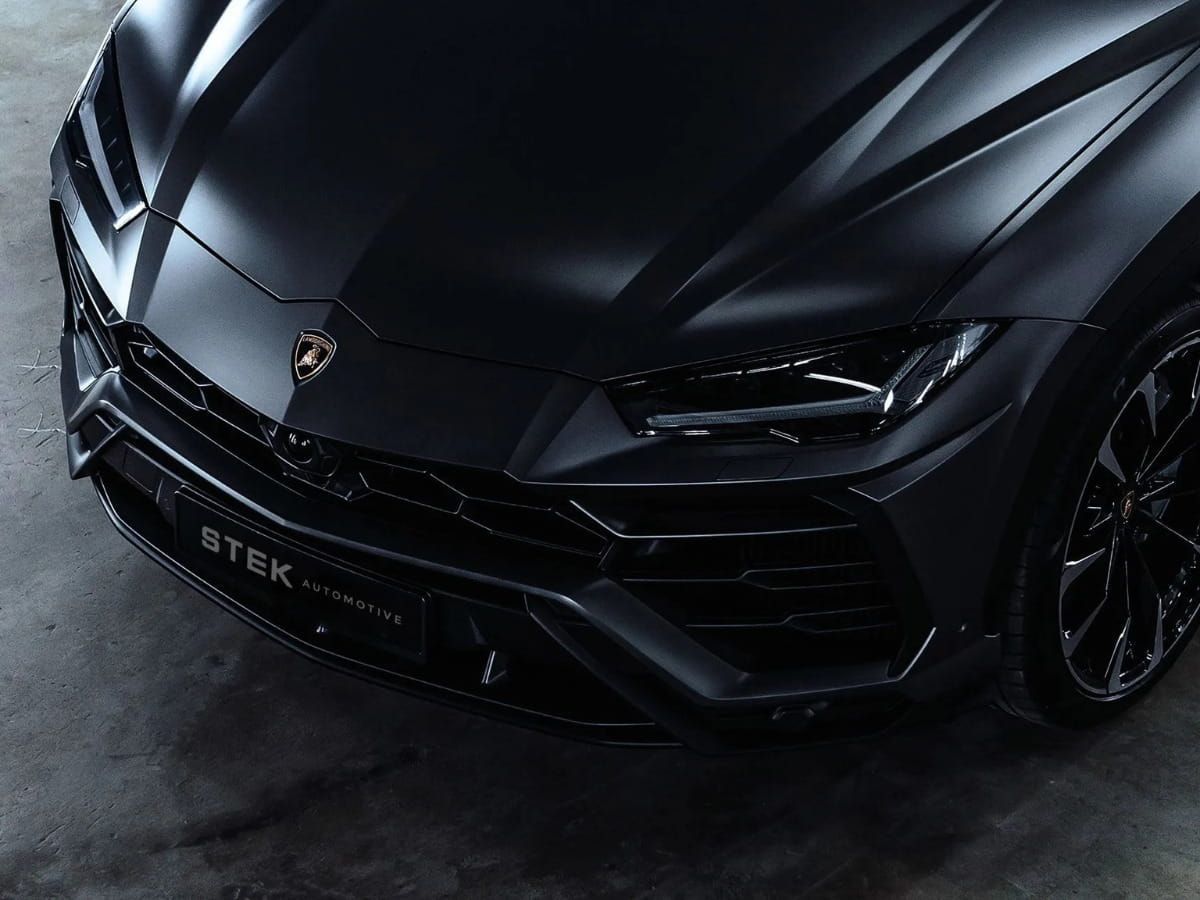
STEK's DYNOshield uses a proprietary nano-ceramic-infused topcoat that is bonded to the film during manufacturing. STEK says this topcoat provides hydrophobic properties, optical clarity, stain resistance, and self-healing performance.
That matters because the topcoat is the part of the film that you see and interact with every time you wash the vehicle.
A PPF can protect the paint underneath, but if its surface is difficult to maintain, easily stained, excessively textured, or visually inconsistent, the protection may come
with compromises.
STEK's approach is designed to reduce those compromises.
STEK DYNOshield Is Designed to Be Hydrophobic
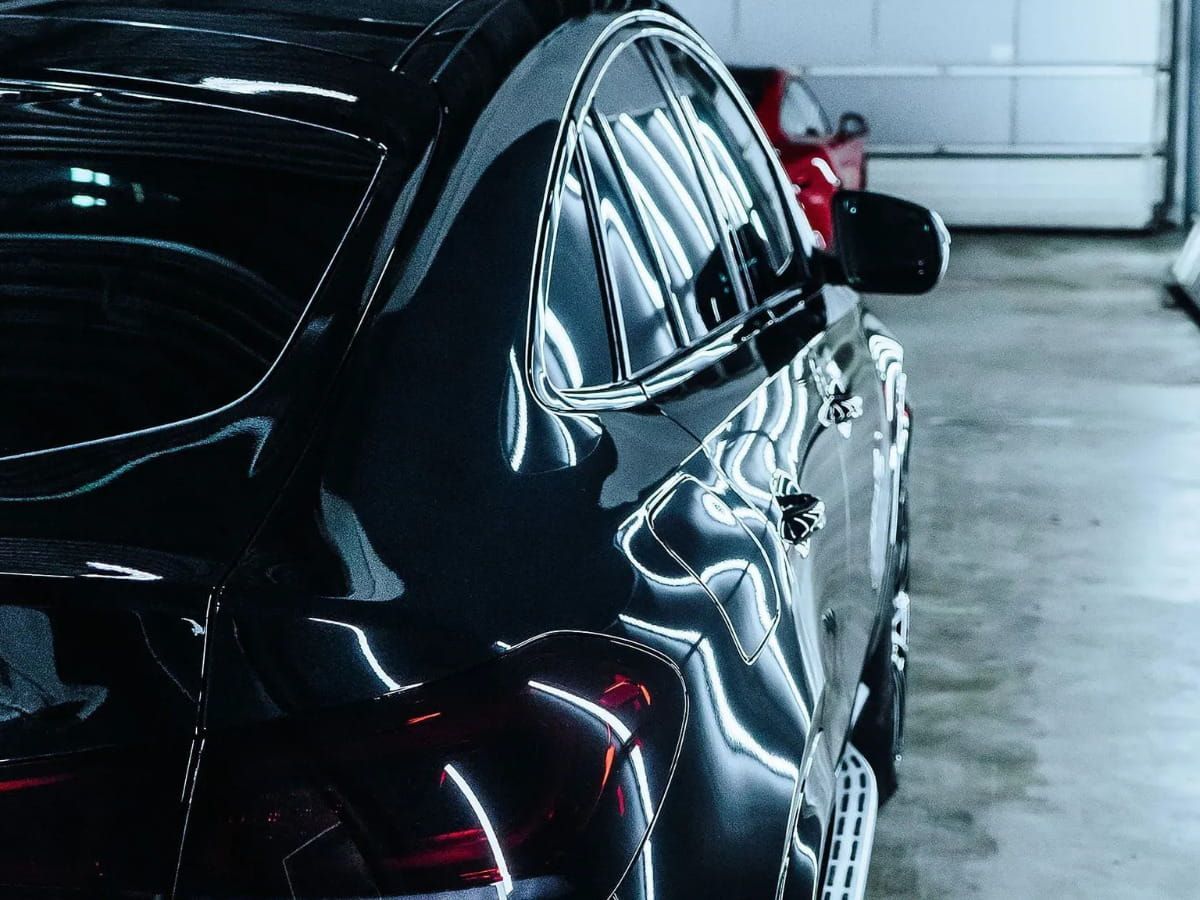
Hydrophobicity is one of the most noticeable differences between a traditional protective film and a modern, high-performance PPF.
A hydrophobic surface causes water to bead and move away more readily instead of spreading across the surface.
STEK specifically identifies DYNOshield as a hydrophobic PPF with advanced water-repelling properties. Its topcoat is also designed to make contaminants easier to remove.
That doesn't mean you can stop washing your vehicle.
It means routine maintenance can become easier because water and contaminants are less likely to remain firmly attached to the surface.
For a daily driver in South Jersey, that's a meaningful advantage.
Self-Healing Helps With Minor Surface Scratches
Another feature associated with premium PPF is self-healing.
STEK's top-coated PPF is designed to repair certain light surface scratches when exposed to heat or hot water.
This is important to understand correctly.
Self-healing doesn't mean the film is impossible to damage.
If a scratch penetrates the topcoat or causes deeper damage to the film, it may not disappear. STEK specifically notes that scratches penetrating the topcoat will not self-heal.
Think of self-healing as protection against the kind of fine surface marring that can accumulate from normal use and washing—not a guarantee against every type of damage.
Optical Clarity Matters More Than You Might Think
A PPF installation is supposed to protect your paint without making the vehicle look like it has a layer of plastic over it.
That's why optical clarity matters.
STEK says DYNOshield's liquid-applied topcoat is designed to provide smoothness and optical clarity with less visible orange peel than some conventional films.
For a high-end vehicle, this can make a noticeable difference.
The goal isn't simply to have protected paint.
The goal is to have protected paint that still looks like paint.
When viewed in direct sunlight or under professional inspection lighting, excessive texture, distortion, contamination, or inconsistent gloss can become much more apparent.
8-Mil Construction Provides a Substantial Protective Layer
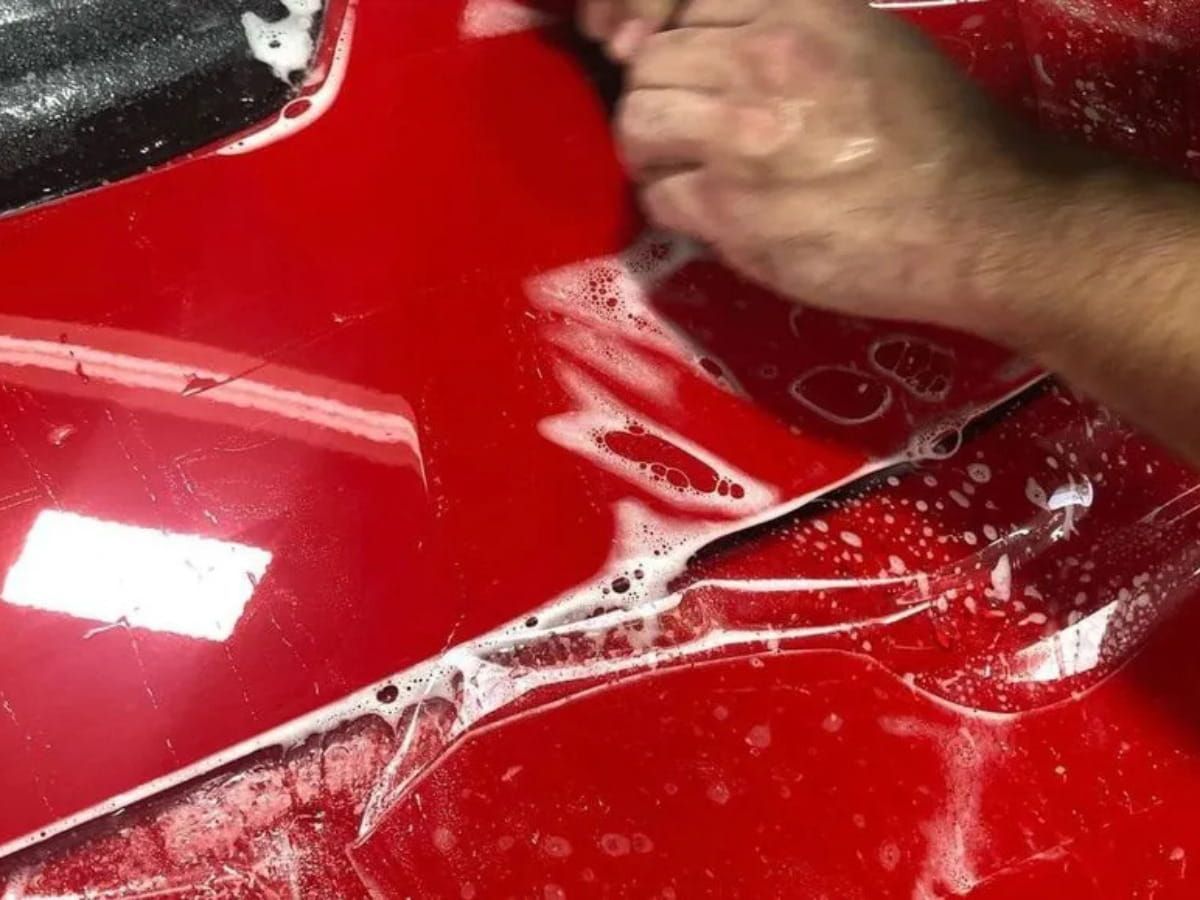
STEK DYNOshield is listed at 8 mils thick, providing a substantial physical barrier over the painted surface.
Thickness alone, however, doesn't tell you everything about a PPF's performance.
The construction of the film, the quality of the polyurethane, adhesive technology, topcoat, elasticity, and installation all matter.
That's why comparing PPF solely by thickness can be misleading.
STEK also offers DYNOmight for customers who specifically need additional durability. DYNOmight uses a TPU base layer that is 25% thicker than DYNOshield while
retaining hydrophobic and self-healing characteristics. STEK positions it for demanding applications such as off-road, track, and utility vehicles.
In other words, even within one manufacturer's lineup, the appropriate film depends on how the vehicle is used.
TPU Construction Is Another Important Difference
DYNOshield uses thermoplastic polyurethane (TPU) rather than the PVC construction associated with cheaper film products.
STEK describes TPU as providing elasticity and durability against punctures and tearing, while functioning as the sacrificial layer that takes the damage instead of the
paint.
This is particularly relevant when PPF is being used for its primary purpose: protecting paint from physical road damage.
A good PPF should be more than a clear decorative layer.
It needs to remain flexible enough to conform to complex vehicle surfaces while providing meaningful protection against everyday impacts.
Stain Resistance Makes a Difference in Real-World Use
Your vehicle's paint encounters more than rocks.
Bug splatter, bird droppings, road oils, dirt, and other contaminants can sit on the surface between washes.
STEK lists DYNOshield as stain-resistant and anti-contamination, helping make those contaminants easier to remove.
That's particularly useful because contaminants shouldn't simply be left on any vehicle surface indefinitely.
STEK recommends removing contamination such as bird droppings, tar, and bugs as soon as possible to minimize the possibility of staining or damage.
So while PPF provides additional protection, proper maintenance still matters.
Standard PPF vs. STEK: What Are You Actually Comparing?
It's important not to think of "standard PPF" as one specific product.
There are many PPF manufacturers and product lines, and some conventional films also offer features such as self-healing, hydrophobic topcoats, and long warranties.
The more useful comparison is between basic protective film technology and a premium film engineered around both protection and appearance.
Here's what to look at:
| Feature | Conventional PPF | STEK DYNOshield |
|---|---|---|
| Physical paint protection | Yes | Yes |
| TPU construction | Depends on product | Yes |
| Hydrophobic topcoat | Depends on product | Yes |
| Self-healing | Depends on product | Yes |
| Stain resistance | Depends on product | Yes |
| Optical clarity | Depends on product | Designed for high clarity |
| Thickness | Varies | 8 mil |
| Warranty | Varies | 10 years |
| Anti-yellowing technology | Depends on product | UV-resistant, anti-yellowing adhesive |
| Maintenance-focused topcoat | Depends on product | Yes |
STEK lists DYNOshield with a 10-year warranty against delamination, yellowing, bubbling, and cracking.
The warranty is important, but it shouldn't be the only reason you choose a film.
The actual construction and installation matter just as much.
Installation Can Make or Break the Result
Even premium PPF cannot compensate for poor installation.
Before the film is applied, the vehicle needs to be properly prepared.
At Envy Executive Automotive Protection, that means the vehicle is:
- Thoroughly cleaned,
- Decontaminated,
- Inspected,
- Prepared for film application,
- Plotted and cut for the appropriate panels,
- Professionally installed,
- Carefully inspected after installation.
The goal is to create a clean bond between the film and the vehicle while minimizing visible contamination, lifting, and installation imperfections.
STEK's own installation guidance emphasizes the importance of a clean environment because airborne dust and particulates can affect the finished film.
This is one reason professional installation is just as important as choosing a premium product.
Can STEK PPF Replace Ceramic Coating?
Not exactly.
PPF and ceramic coating solve different problems.
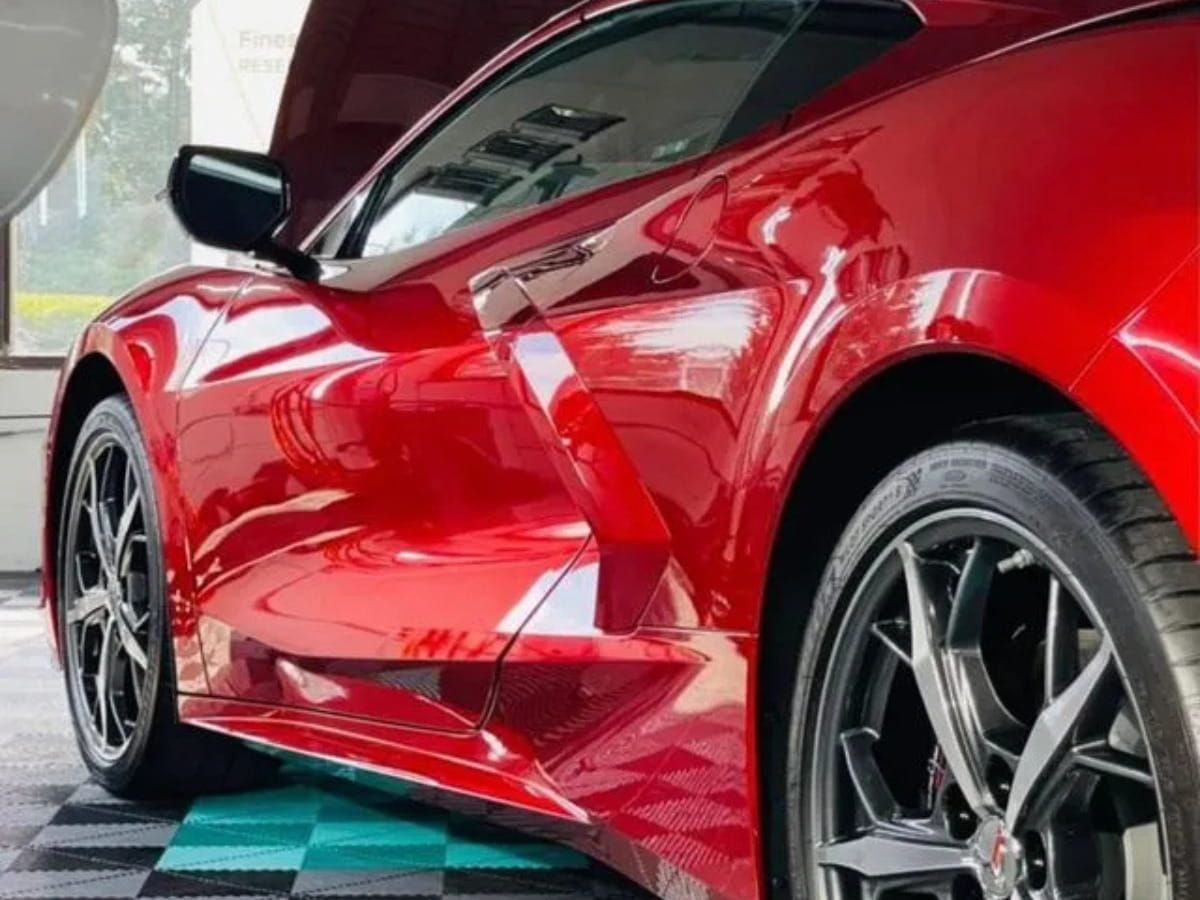
PPF provides a physical sacrificial layer designed to protect against impacts, scratches, and road debris.
Ceramic coating provides a protective surface layer that can improve hydrophobic behavior, chemical resistance, gloss, and ease of maintenance.
For some vehicles, combining the two makes sense.
For example, PPF can be installed on high-impact areas while ceramic coating is applied to the remaining painted surfaces.
STEK also offers Final Coat, a ceramic coating specifically developed to be compatible with its PPF topcoats. STEK says it is designed to improve slickness, depth,
hydrophobic behavior, and protection of the film.
The right combination depends on the vehicle, how it is driven, and how much protection the owner wants.
Is STEK PPF Worth It?
For the right vehicle and owner, premium PPF can make a lot of sense.
It is particularly valuable if you:
- Drive frequently on highways,
- Own a new vehicle,
- Have a high-end or performance vehicle,
- Want to minimize rock chips,
- Plan to keep your vehicle for many years,
- Want to preserve the original paint,
- Care about both protection and appearance,
The key is to look beyond the word "PPF."
Ask what the film is made from, what topcoat technology it uses, how it performs against contamination and surface scratches, what warranty backs it, and who is installing it.
Why Envy Executive Uses STEK PPF
At Envy Executive Automotive Protection, we understand that protecting your vehicle is about more than applying a product and sending the car home.
The preparation matters.
The film matters.
The installation matters.
And the way the finished vehicle is maintained matters.
That's why we use professional STEK Paint Protection Film for customers who want a combination of physical protection, high gloss, hydrophobic performance, self-healing capabilities, and optical clarity.
Our team proudly serves vehicle owners throughout Haddon Heights, Voorhees, Marlton, Haddonfield, Medford, and surrounding South Jersey communities.
Whether you're protecting a brand-new vehicle or preserving a car you already love, we'll help you determine which areas and which level of protection make the most
sense for your vehicle.
Protect Your Paint Before the Road Does the Damage
Paint Protection Film is an investment in the condition of your vehicle.
But not all PPF is created equally.
STEK DYNOshield combines a TPU protective layer with a proprietary topcoat designed for hydrophobic performance, self-healing, stain resistance, and optical clarity.
The result is a film designed not only to protect the paint, but to remain visually appealing and easier to maintain while doing it.
And when that film is professionally installed and properly maintained, it becomes a long-term part of your vehicle protection strategy.
If you're considering STEK PPF in South Jersey, contact Envy Executive Automotive Protection to discuss your vehicle, driving habits, and protection goals.
Schedule your consultation today and find out which PPF solution is right for your vehicle.
The comparison section above preserves the original feature values, including STEK DYNOshield's listed 8 mil thickness and 10-year warranty.
Envy Executive CW Blog