Paint Protection Film vs. Ceramic Coating: Which One Does Your Car Actually Need?
Walk into any detailing shop and ask about paint protection, and you'll hear about two main options: paint protection film and ceramic coating. Most people get confused, thinking they need to pick one over the other.
That's not how PPF vs ceramic coating works. These aren't competing products. They're different tools for different jobs. Understanding what each does helps you figure out which protection makes sense for your vehicle, budget, and driving habits.
Let's break down these protection methods so you can decide without sales pressure.
Understanding What You're Actually Buying
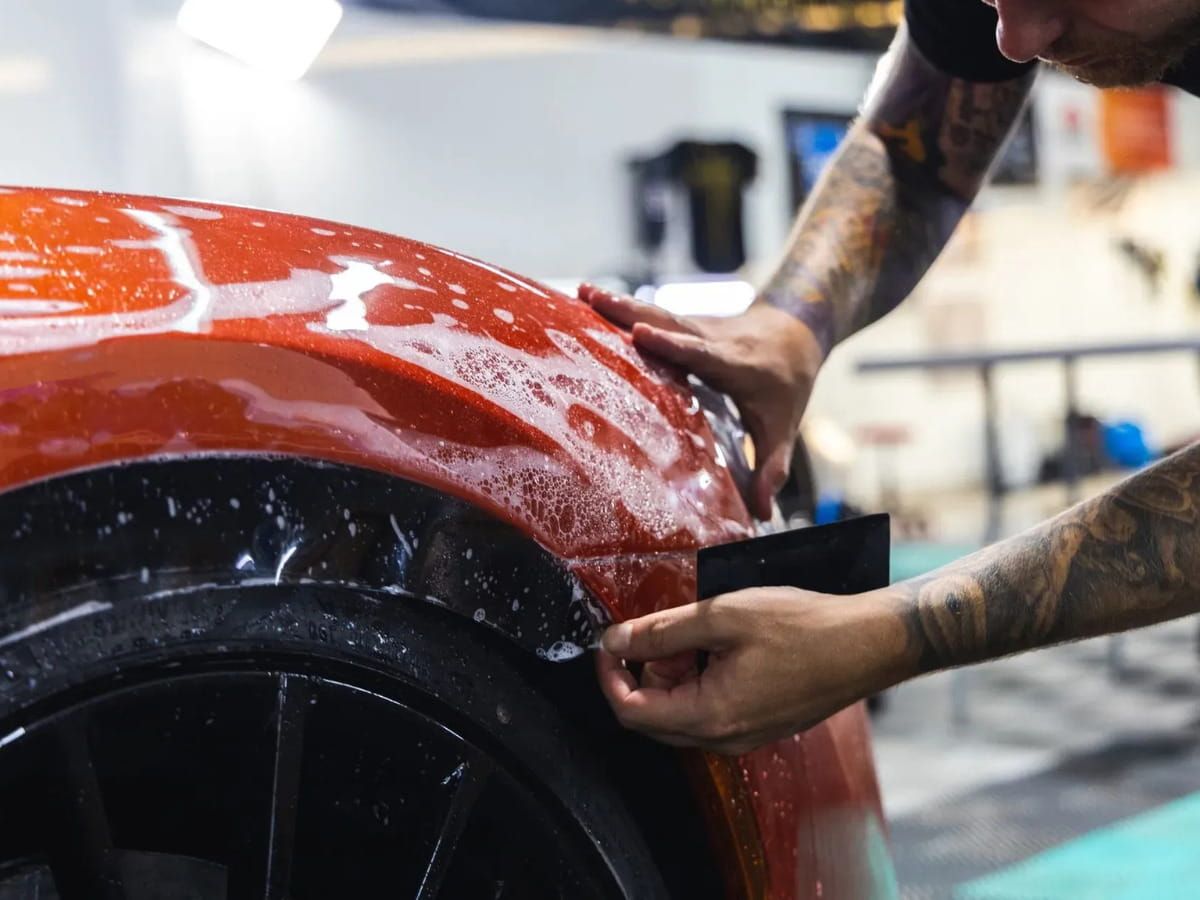
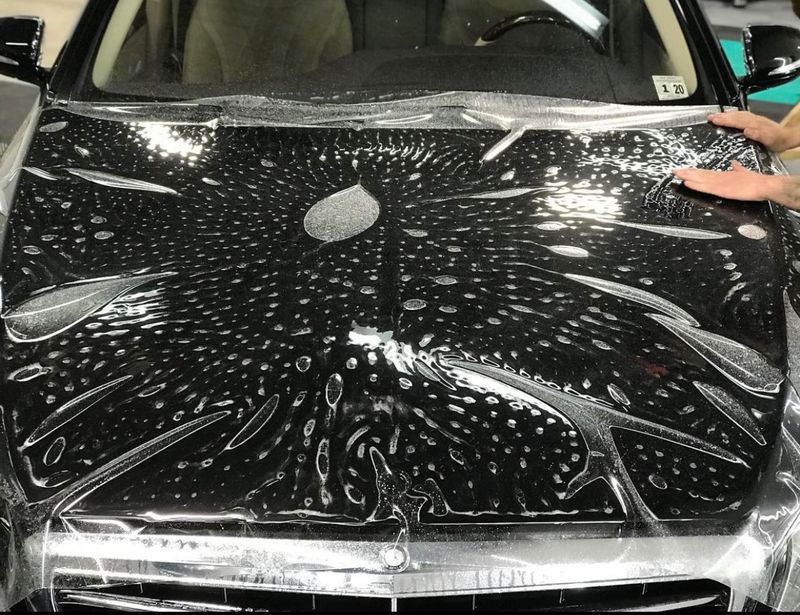
Paint Protection Film (PPF) is a physical barrier installed over your paint. The film is thick enough to absorb impacts from road debris and stone chips. When something hits your car, it hits the film instead of your paint. Quality paint protection film has self-healing properties where minor marks disappear with heat.
Ceramic Coating is a chemical treatment that bonds with your paint at the molecular level, creating a hard, glass-like layer. It's measured in microns, making it incredibly thin. Ceramic coating alters your paint's surface characteristics without adding measurable thickness.
This fundamental difference explains how these products perform.
What Each Product Actually Protects Against
Here's where the confusion really happens. People assume both products do the same thing at different price points. They don't.
PPF Protection Strengths
Paint protection film excels at physical impact protection:
- Rock chips and stone impacts get absorbed by the film's thickness and flexibility
- Road debris hits the PPF instead of penetrating to your paint
- Door edge chips from parking lot contact are prevented
- Bug splatter damage gets blocked before reaching the paint
- Minor collision contact causes less paint damage with PPF installed
The film physically stops things from reaching your paint. It's impact armor.
Ceramic Coating Protection Strengths
Ceramic coating handles different threats:
- UV ray protection prevents paint fading and oxidation over time
- Chemical resistance guards against bird droppings, tree sap, and acid rain
- Water spotting prevention comes from hydrophobic properties
- Minor surface abrasion causes less damage to coated surfaces
- Easier cleaning because contaminants don't bond as strongly
The coating protects against environmental and chemical damage. It's surface defense.
What Neither Product Fully Prevents
PPF doesn't prevent all damage from severe impacts. Ceramic coating won't stop rock chips or serious damage from physical contact. Knowing these boundaries helps set proper expectations.
Cost Considerations and Value Proposition
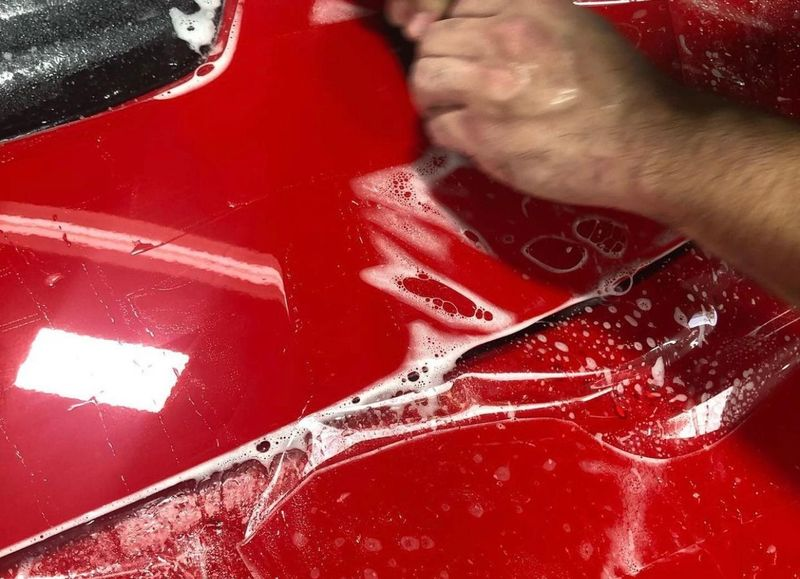
PPF Installation Costs: Paint protection film requires professional installation. Coverage area significantly impacts cost. Full-front coverage costs more than partial. Full-vehicle wraps represent the highest investment.
Ceramic Coating Costs: Ceramic coating costs vary based on preparation requirements and coating quality. Paint correction before coating adds expense but ensures flawless results.
Long-Term Value: PPF typically needs replacement after accumulated damage. Ceramic coating requires periodic maintenance and reapplication. Consider how long you'll keep your vehicle.
The right protection isn't always the most expensive. It's the one matching your needs.
When PPF Makes the Most Sense
- Highway commuters face constant rock chip risk. Front-end PPF coverage becomes essential. The bumper and hood take the most abuse during highway driving.
- New vehicle owners wanting to preserve factory paint often choose PPF. Installing protection immediately prevents damage rather than covering imperfections.
- High-impact zones benefit most from PPF. Even if full coverage exceeds the budget, protecting vulnerable areas makes sense. Front bumpers, hoods, mirrors, and door edges see the most contact.
- Lease vehicles returned in pristine condition, avoid wear charges. PPF protects during the lease period, then comes off before return.
- Performance vehicles driven spiritedly accumulate front-end damage quickly. PPF handles aggressive driving conditions better than coating alone.
When Ceramic Coating Makes the Most Sense
- Garage-kept vehicles protected from road debris benefit more from environmental protection. UV rays and chemical contaminants become bigger concerns than rock chips.
- Show cars and collectors prioritize appearance appreciate ceramic coating's gloss enhancement. The coating amplifies paint depth while providing environmental protection.
- Maintenance simplification appeals to owners wanting easier cleaning. Ceramic-coated vehicles shed dirt more readily.
- Budget-conscious owners seeking maximum coverage often choose ceramic coating. Protecting the entire vehicle with a coating costs less than full PPF coverage.
- Older vehicles with minor imperfections benefit from coating after paint correction. Correction removes defects, and coating prevents new damage.
Why Combining Both Delivers Complete Protection
The combination approach addresses every threat. PPF covers high-impact zones. Ceramic coating protects the rest against environmental damage. Together, they defend against both physical impacts and chemical/UV exposure.
Application sequence: Paint correction comes first. PPF gets installed on high-impact areas. Then the ceramic coating goes over everything, including the PPF.
Enhanced performance: Ceramic coating over PPF adds chemical resistance to the film. The coating makes PPF more hydrophobic and easier to maintain.
Value retention: Vehicles with both protections maintain appearance longer, showing during resale or trade-in.
The combination isn't necessary for everyone, but it provides the most complete protection available.
Your Protection Needs Assessment
Use this framework to determine what protection fits your situation.
Ask yourself these questions:
- Where do you drive most often? Highway driving demands PPF on the front. City parking needs door edge protection. Rural areas with gravel roads require broader PPF coverage.
- Where does your vehicle live? Garage-kept cars need less impact protection. Street parking increases rock chip and door ding risk. Outdoor storage requires strong UV protection.
- How long will you keep this vehicle? Short-term ownership might favor lower-cost protection. Long-term owners benefit from maximum protection and investment.
- What's your protection priority? Preventing rock chips points to PPF. Maintaining appearance and easier cleaning suggests ceramic coating. Complete protection means combining both.
- What's your realistic budget? Limited budgets might mean PPF on most vulnerable areas only. Moderate budgets allow PPF on high-impact zones plus full ceramic coating. Higher budgets enable full PPF and ceramic coating coverage.
Making Your Protection Decision
Start by identifying your biggest protection concerns. If rock chips from highway driving keep you awake, PPF addresses that threat. If fading paint and constant washing frustrate you, ceramic coating solves those issues.
Consider phased approaches if budget limits immediate options. Install PPF on the most vulnerable areas now. Add ceramic coating later. This staged approach builds protection over time.
Work with professionals who ask questions about your needs rather than immediately quoting packages. At Envy Executive Automotive Protection, recommendations start with understanding how you use your vehicle.
Every vehicle's protection needs differ. Your choice should reflect your specific situation, not a one-size-fits-all recommendation.
Ready to Protect Your Vehicle the Right Way?
Understanding PPF vs ceramic coating differences helps you choose protection matching your needs. PPF handles physical impacts. Ceramic coating manages environmental threats. Together, they provide complete defense.
Not sure which protection fits your vehicle? Talk with specialists who understand your situation before recommending solutions. Whether you need PPF for impact protection, ceramic coating for environmental defense, or the ideal combination, the right approach starts with honest assessment.
Connect with Envy Executive Automotive Protection to discuss your vehicle's protection needs. We'll help you understand which option makes sense for how you use your car.
Frequently Asked Questions
Can I install PPF myself, or does it require professional installation?
PPF installation requires professional expertise and proper equipment. The film must be precisely cut, carefully applied without bubbles or contamination, and properly sealed at the edges. DIY attempts typically result in visible imperfections and premature failure. Professional installation ensures proper adhesion and activates manufacturer warranties.
How long does ceramic coating last compared to PPF?
Ceramic coating duration depends on quality and maintenance. High-quality coatings last multiple years when properly maintained. PPF typically remains effective until accumulated damage from impacts requires replacement. Both products benefit from regular car detailing and proper maintenance to maximize lifespan.
Will ceramic coating prevent rock chips on my hood?
No, ceramic coating provides minimal rock chip protection. The coating's micron-thin layer can't absorb impact energy from highway-speed debris. For rock chip prevention, PPF is necessary. Ceramic coating excels at UV protection, chemical resistance, and surface protection, but not physical impact defense.
Can I add ceramic coating over existing PPF?
Yes, ceramic coating over PPF is recommended for enhanced protection. The coating adds chemical resistance and hydrophobic properties to the film. It makes PPF easier to clean and provides additional environmental protection. This combination delivers maximum defense against both physical and environmental threats.
Which protection offers better value for daily drivers?
Value depends on your daily driving conditions. Highway commuters benefit most from PPF on high-impact areas to prevent costly rock chip repairs. City drivers might prioritize ceramic coating for easier maintenance and environmental protection. Many daily drivers choose PPF on vulnerable zones combined with full ceramic coating for complete protection.
Envy Executive CW Blog