Ceramic Coating Warranty: What's Actually Covered and What Isn't
Shopping for ceramic coating means evaluating warranties. You'll hear about lifetime coverage, complete protection, and guaranteed results. But what does a ceramic coating warranty actually promise?
Understanding common warranty terms before committing helps you choose protection backed by real coverage. Let's break down what ceramic coating warranties in the industry typically include, what they often exclude, and questions that help you evaluate any warranty offer.
Types of Ceramic Coating Warranties
Understanding common warranty types in the industry helps you evaluate offers.
Product warranties come from coating manufacturers, covering defects in the material itself. These address premature yellowing, delamination, or coating breakdown from manufacturing issues.
Installation warranties come from the shop applying your coating, addressing application errors that cause coating failure.
Combined warranties integrate both product and installation coverage. Some manufacturers only honor product warranties when certified installers perform the application.
The warranty type affects who handles claims and what gets covered.
What Ceramic Coating Warranties Typically Cover
Quality warranties in the industry often protect against specific coating failures when proper maintenance occurs.
Coating delamination represents a common coverage. If the coating separates from your paint despite correct application and maintenance, many warranties provide replacement.
Premature yellowing or discoloration often falls under material defect coverage. Quality coatings shouldn't change color during the warranty period when properly maintained.
Coating breakdown means the protective layer is degrading faster than expected. If your coating loses hydrophobic properties prematurely despite proper care, warranty coverage may apply.
Manufacturing defects in the coating formula often get covered by product warranties.
These coverages typically assume you've maintained the coating according to specifications.
What Warranties Often Don't Cover
Understanding common exclusions helps set realistic expectations.
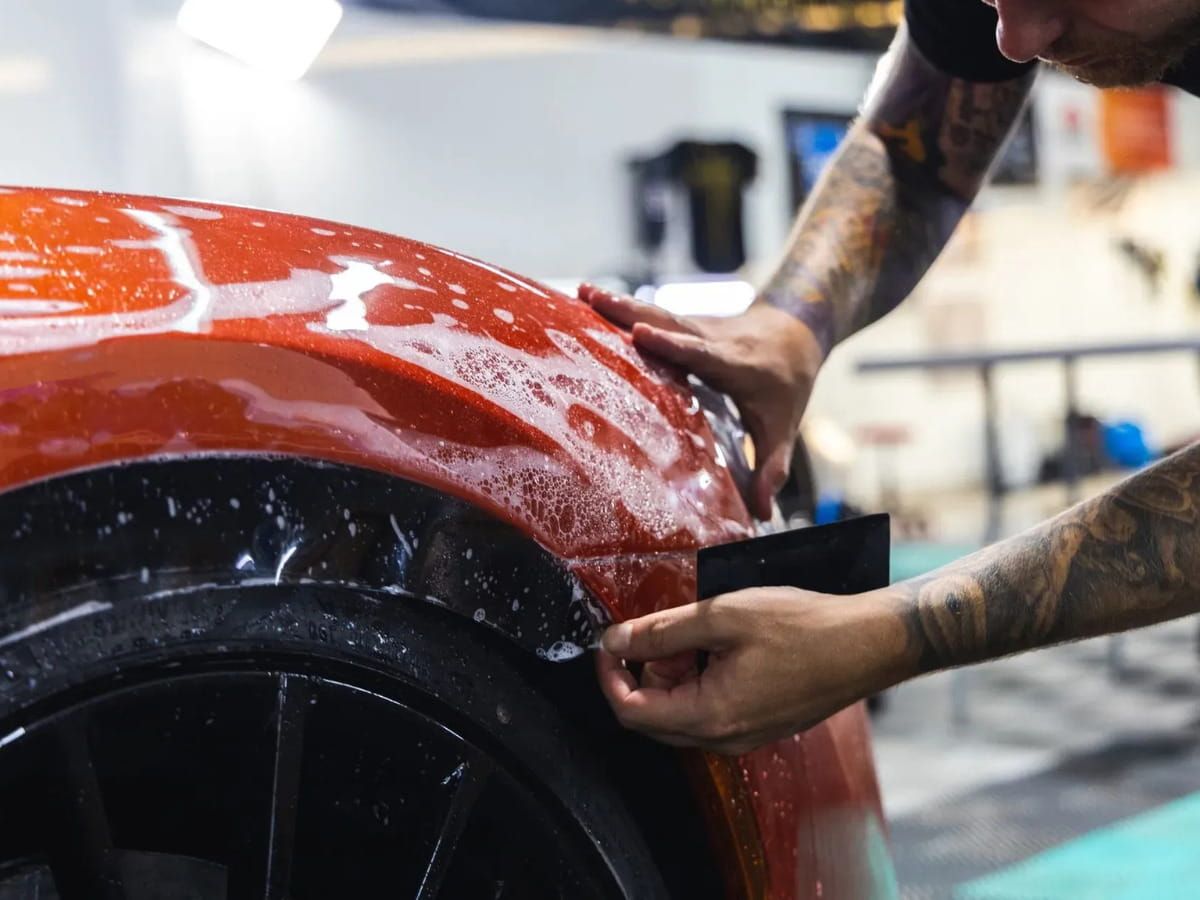
Physical damage commonly tops exclusion lists. Rock chips, key marks, door dings, and collision damage typically aren't covered. Ceramic coating provides chemical protection, not impact armor. For physical protection, you need paint protection film.
Improper maintenance often voids warranties. Using harsh chemicals, automatic car washes, or neglecting cleaning schedules can eliminate coverage.
Pre-existing paint damage typically doesn't get fixed. This is why paint correction often happens before coating.
Environmental staining from prolonged exposure often falls outside coverage. Leave bird droppings or tree sap on the coating for extended periods, and resulting stains might not qualify.
Normal wear over time typically isn't covered. Coatings gradually degrade from UV exposure. This normal degradation differs from premature failure.
Modifications or aftermarket additions to coated areas can void coverage with some warranties.
Warranty Duration vs. Coating Lifespan
The warranty period and coating lifespan are related but different concepts in the industry.
A coating might perform effectively for multiple years, while the warranty period could be shorter. Some warranties offer coverage for specific durations with varying terms.
Prorated warranties reduce coverage over time. If you make a claim later in the warranty period, you might receive partial replacement in some programs.
Lifetime warranties sound impressive but require examination. "Lifetime" might mean the coating's expected lifespan rather than your vehicle's lifetime in some cases.
Warranty periods typically assume proper maintenance throughout. Missing recommended maintenance can terminate coverage.
Conditions That Can Void Warranties
Understanding common warranty conditions helps you maintain coverage.
Failure to register the warranty within the required timeframes can void some warranties. Check registration requirements carefully.
Skipping maintenance requirements may terminate coverage in some programs. Keep documentation proving you met requirements.
Using prohibited products on the coating can eliminate protection in some warranties. Check for approved cleaning product lists.
Selling the vehicle might end warranty coverage, depending on the specific warranty. Not all warranties transfer to new owners.
Professional detailing by non-approved providers can void some warranties. Check whether car detailing must occur at specific facilities.
Questions to Ask Before Purchase
What specifically triggers warranty coverage? Ask for concrete examples of covered situations versus normal wear.
What maintenance does the warranty require? Get the maintenance schedule in writing, including required frequency and approved products.
Who handles warranty claims? Understand whether you work with the installer, manufacturer, or both.
Is the warranty transferable? Know whether warranty coverage transfers if you sell your vehicle.
What documentation must I keep? Understand what records prove warranty compliance.
What happens if the business closes? Installer warranties become worthless if the shop closes.
Maintaining Warranty Validity
Keep detailed records of all maintenance. Receipts from approved products and service records prove compliance.
Follow recommended cleaning schedules exactly. Use only approved products. Address issues immediately and report problems promptly.
Get Ceramic Coating with a Warranty You Can Trust
Understanding ceramic coating warranty terms helps you choose protection that delivers when needed. Quality warranties clearly explain coverage, exclusions, and maintenance requirements.
At Envy Executive Automotive Protection, transparency about warranty coverage builds trust.
Ready to get ceramic coating with clear warranty coverage? Connect with Envy Executive Automotive Protection for warranty information and protection that delivers.
Frequently Asked Questions
Do all ceramic coating warranties cover the same things?
No, warranty coverage varies significantly between products and installers. Some cover only material defects, while others include installation issues. Coverage duration, maintenance requirements, and exclusions differ widely. Always review specific warranty terms rather than assuming coverage based on general ceramic coating warranties.
Can I file a warranty claim if my coating still looks good?
Visual appearance alone doesn't determine warranty eligibility. Claims typically address specific failures like delamination, yellowing, or loss of hydrophobic properties despite proper maintenance. If the coating appears fine but isn't performing as warranted, you may still have valid claims.
What happens to my warranty if I move to another state?
Geographic limitations vary by warranty. Some require all service at the installation location, making relocation problematic. Others allow claims anywhere. Check your warranty terms for geographic restrictions before purchasing, especially if you might relocate during the coverage period.
Does my warranty cover damage from automatic car washes?
This varies by warranty. Many warranties require hand washing or touchless methods and exclude damage from automatic car washes. Some warranties void coverage entirely if automatic washes are used. Check your specific warranty terms for car wash requirements and exclusions.
How do I prove I've maintained my coating properly for warranty claims?
Keep all receipts from approved cleaning product purchases and any professional maintenance services. Document your maintenance schedule with dated photos showing coating condition. If the warranty requires specific products, save empty bottles as proof. Detailed records support warranty claims when issues arise.
Envy Executive CW Blog