Self-Healing Paint Protection Film: How Does It Work?
You hear about self-healing paint protection film and think it sounds too good to be true. Film that repairs itself? It seems like marketing hype until you see it happen.
The technology is real and genuinely impressive. Understanding what self-healing PPF actually does versus what it can't fix helps you decide whether this premium option makes sense for your vehicle.
What Self-Healing Actually Means
Self-healing doesn't mean the film magically repairs all damage. It means the film can return to its original shape after minor damage through heat activation.
Self-healing paint protection film works when heat provides energy for the film to recover its shape. Light surface damage deforms the film temporarily, but heat allows it to flow back into place.
The technology handles specific damage types well while having clear limitations.
The keyword is "light." Minor surface contact can heal, but more serious damage cannot.
How Heat-Activated Technology Works
Self-healing paint protection film uses heat-activated technology. When heated, the film becomes flexible and flows to fill surface imperfections.
Light damage stretches the film without breaking it. Heat provides energy for the film to return to its original shape.
The film recovers from deformation, eliminating visible damage from minor contact.
Heat from sunlight, warm water, or professional heat tools can trigger this process.
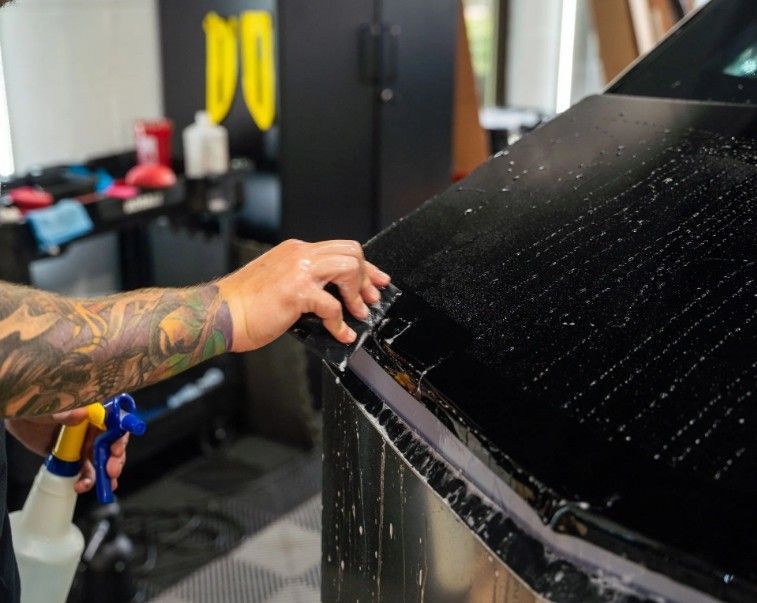
What Types of Damage Does Self-Heal
Light surface abrasions represent the perfect use case. Shopping cart contact, minor brush marks, or light clothing contact all create surface-level deformation that self-healing films reverse completely.
Swirl marks from washing disappear with self-healing PPF. Traditional films and paint both show these fine marks from improper washing techniques.
Fine line damage from branches, fingernails, or light contact heals well. If you can't feel the damage with your fingernail, the film can likely heal it.
Minor scuffing from parking lot contact, door edges, or similar light impacts typically heals completely.
Environmental damage like bird dropping, etching, or water spot marking can often heal if caught early.
The common factor? Surface-level deformations without material removal or deep penetration.
What Doesn't Self-Heal
Deep cuts and punctures don't heal. If something penetrates through the self-healing layer, those polymer chains are severed and can't reconnect.
Rock chips that penetrate the film won't heal. While PPF absorbs rock chip energy better than bare paint, severe impacts cause permanent damage.
Edge lifting or delamination isn't addressed by self-healing technology. These are adhesive issues requiring professional remediation.
Staining from prolonged chemical exposure might not reverse if contaminants penetrate into the film.
Intentional vandalism like keying typically cuts too deep. The self-healing layer handles accidental contact, not deliberate sharp object damage.
A good rule: if you can catch your fingernail in the damage, it's probably too deep for self-healing to fully repair.
How to Activate the Healing Process
Self-healing PPF often works automatically with normal heat exposure.
Sunlight provides enough heat in most climates. Parking your vehicle in the sun allows minor damage to heal.
Warm water can activate the healing process when applied to damaged areas.
Professional heat tools allow installers to demonstrate healing capabilities during application.
You don't need to do anything special in most cases. The film heals during normal use as your vehicle experiences temperature changes.
Real-World Benefits and Limitations
Maintenance becomes easier. You don't stress about every minor contact. Light damage from car detailing, parking, or normal use disappears rather than accumulating.
The film stays clearer longer. Without accumulating minor surface damage, self-healing films maintain optical clarity better.
Resale value protection improves. The film stays in better condition, and paint underneath remains pristine.
But limitations exist. The film isn't indestructible. Severe damage still requires repair. Self-healing extends film life but doesn't eliminate all maintenance needs.
Cost considerations matter. Self-healing films cost more than standard PPF. That premium makes sense for high-contact areas or long-term ownership.
When Self-Healing PPF Is Worth the Premium
High-traffic parking situations mean your vehicle faces constant minor contact risk. Self-healing film prevents damage from accumulating.
Long-term ownership plans justify the premium. If you're keeping your vehicle for years, the benefits compound.
Pristine appearance priorities make self-healing worthwhile. Show vehicles or luxury cars benefit from this technology.
High-contact areas like door edges and bumpers see more minor damage. Self-healing film on vulnerable zones delivers maximum value.
Daily driver protection benefits from self-healing. Vehicles used constantly face more minor contact than garage-kept cars.
For vehicles facing minimal contact or owned short-term, standard PPF provides excellent protection at lower cost.
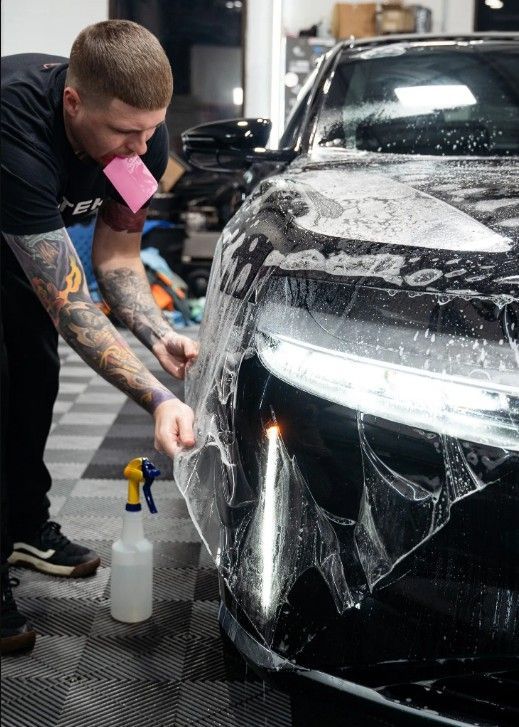
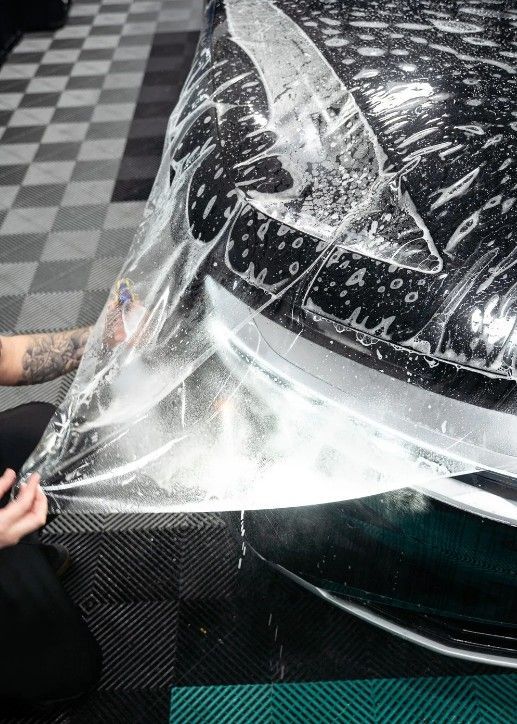
Experience Self-Healing Technology
Self-healing paint protection film represents a genuine technological advancement. The heat-activated polymers that reverse minor damage aren't marketing hype. They deliver measurable benefits.
Understanding what heals and what doesn't helps you evaluate whether the premium cost matches your needs.
Interested in seeing the technology in action? Connect with Envy Executive Automotive Protection to learn about self-healing PPF options for your vehicle.
Frequently Asked Questions
How long does it take for self-healing PPF to repair damage?
Minor damage healing time varies based on temperature and damage severity. Direct sunlight speeds the process. Very light marks may disappear quickly in warm conditions, while deeper surface damage takes longer.
Can self-healing PPF heal the same area multiple times?
Yes, self-healing film can repair the same area repeatedly. The self-healing properties don't deplete with use. As long as damage remains surface-level, the area can heal multiple times throughout the film's lifespan.
Does self-healing work in cold weather?
Cold temperatures slow the healing process significantly. The film still protects your paint, but damage won't heal until temperatures rise. The capability remains, just delayed until adequate heat activates it.
Will a heat gun damage self-healing PPF if I use it incorrectly?
Excessive heat can damage the film. Keep heat guns on low settings and keep them moving. Most damage heals with sunlight alone, making heat guns unnecessary for typical use.
Is self-healing PPF worth the extra cost compared to regular PPF?
This depends on your situation. For daily drivers facing frequent minor contact, long-term ownership, or high-value vehicles, the premium often proves worthwhile. For garage-kept cars or short-term ownership, standard PPF still provides excellent protection at a lower cost.
Envy Executive CW Blog