Paint Protection Film Thickness: Does Mil Rating Actually Matter?
Shopping for paint protection film means encountering thickness specifications measured in mils. But what do these numbers actually mean for protecting your vehicle?
Understanding paint protection film thickness helps you make informed decisions rather than assuming thicker always equals better.
What Mil Rating Actually Measures
A mil equals one-thousandth of an inch. PPF thickness is measured in mils, with common options ranging from thinner to thicker depending on protection needs.
Paint protection film thickness refers to the total film structure. Different manufacturers structure their films differently, so mil ratings don't tell the complete story. Your installer can explain how specific products are constructed.
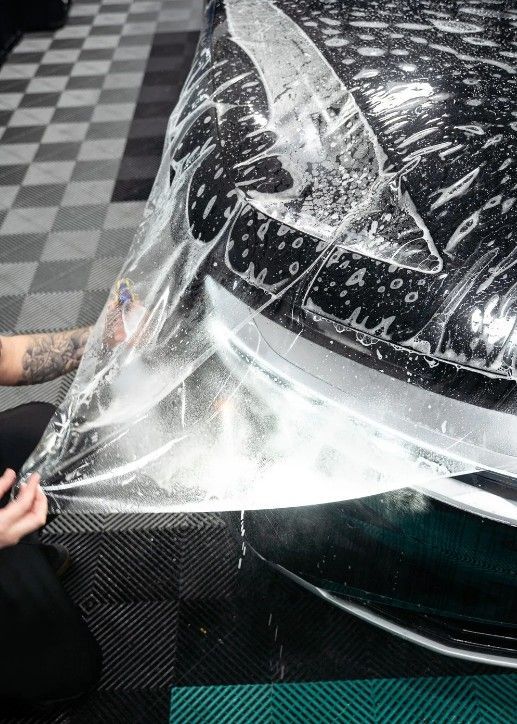
Common PPF Thickness Options
Most PPF products fall into general thickness categories.
Standard thickness films provide baseline protection suitable for many applications, handling everyday driving hazards while maintaining a lower profile.
Mid-range thickness films offer enhanced protection with additional impact absorption. Many vehicle owners find this range balances protection and practicality.
Premium thickness films maximize protection for high-exposure situations but come with tradeoffs worth understanding.
Your installer can explain which options they offer and how each performs.
How Thickness Affects Protection Level
Thicker films generally absorb more impact energy before damage reaches your paint. More material between the hazard and your paint means more energy absorption.
However, thickness alone doesn't determine protection quality. Film construction and material properties also contribute to performance. Your installer can explain how different thickness options compare for your needs.
Impact Resistance Differences
Different driving situations create different impact risks.
Highway driving exposes your vehicle to road debris at higher speeds. Thicker films can help absorb additional energy on high-speed impact zones like front bumpers and hoods.
City driving typically involves lower speed impacts. Standard thickness films often handle urban hazards adequately.
Performance or track driving involves extreme conditions where maximum protection might make sense despite higher costs.
Matching thickness to your actual driving patterns makes more sense than defaulting to maximum thickness.
Self-Healing Capability and Thickness
Self-healing properties and thickness relate but aren't the same thing. Self-healing performance depends on film engineering rather than total thickness alone.
Self-healing addresses surface-level damage from light contact. Thickness addresses impact absorption from debris strikes. Consider these as separate factors when evaluating PPF options with your installer.
Visibility and Appearance Considerations
Thicker films can affect how PPF looks on your vehicle, though quality films minimize visibility regardless of thickness.
Edge visibility may differ between thickness options on certain vehicle contours.
Conformability to complex curves can vary. Your installer can explain how different options work on your specific vehicle.
For show cars where invisible protection matters most, discuss appearance implications with your installer.
Cost vs. Thickness Analysis
Thicker films generally cost more. Whether that premium delivers proportional value depends on your situation.
Consider: Does your driving expose your vehicle to hazards requiring maximum protection? Would standard thickness handle your scenarios adequately? Are you protecting a daily driver or high-value vehicle? How long do you plan to keep this vehicle?
For high-value vehicles or long-term ownership, premium thickness might justify the investment. For shorter ownership or lower-exposure driving, standard options might deliver sufficient protection at lower cost. There's no single right answer for everyone.
Matching Thickness to Your Needs
Rather than defaulting to maximum thickness, match protection to actual use.
Daily commuters might find standard thickness provides adequate protection for typical driving. Cost savings can be significant without sacrificing meaningful protection for everyday use.
Highway commuters might benefit from enhanced thickness on front-facing surfaces while using standard thickness elsewhere. This balances protection where impacts are most likely.
Performance vehicles facing extreme conditions might justify maximum thickness despite premium pricing.
Show vehicles require balancing protection with invisible appearance. Working with your installer on coverage strategies matters more than choosing maximum thickness.
Many owners use different thickness levels on different areas based on exposure risk. Your installer can recommend the right approach for your vehicle.
Get Expert Guidance on PPF Thickness
Understanding paint protection film thickness helps you make informed decisions, but specifications only tell part of the story. Professional guidance matches protection to your actual needs.
Not sure which PPF thickness matches your situation? Connect with Envy Executive Automotive Protection for expert guidance on selecting protection that fits your needs and budget.
Frequently Asked Questions
Is thicker paint protection film always better?
Not necessarily. Thicker films absorb more impact energy, but film quality and construction also affect protection. Match thickness to your actual protection needs rather than defaulting to maximum specifications. Your installer can help you evaluate options.
Can I use different PPF thickness on different parts of my vehicle?
Yes, many owners use thicker film on high-impact areas like front bumpers and hoods while using standard thickness on lower-exposure areas. This approach balances protection where needed most while managing overall cost. Your installer can recommend appropriate coverage strategies.
Does thicker PPF affect how my car looks?
Quality PPF maintains excellent appearance across thickness ranges. However, thicker films may show slightly more at edges on certain body contours. For show vehicles where invisible protection matters most, discuss appearance considerations with your installer before selecting thickness.
How do I know what thickness I need?
Consider your driving patterns, vehicle value, and protection priorities. Highway commuters facing regular debris might benefit from enhanced thickness on front surfaces. Urban daily drivers might find standard thickness adequate. Your installer can assess your situation and recommend appropriate options.
Does PPF thickness affect self-healing properties?
Self-healing capability depends on film engineering rather than total thickness alone. Thickness and self-healing serve different protection functions. Consider these as separate factors when evaluating PPF options with your installer.
Envy Executive CW Blog