Does Ceramic Coating Protect Against Rock Chips and Road Debris?
Here's the honest answer: ceramic coating rock chip protection is extremely limited. If you're counting on ceramic coating alone to prevent highway rock chips, you'll be disappointed. That might not be what you wanted to hear, but understanding what ceramic coating actually does helps you protect your vehicle the right way.
Ceramic coating does amazing things for your paint. Just not rock chip prevention. Let's clear up what protection you're actually getting and what you need to guard against flying stones.
What Ceramic Coating Actually Is
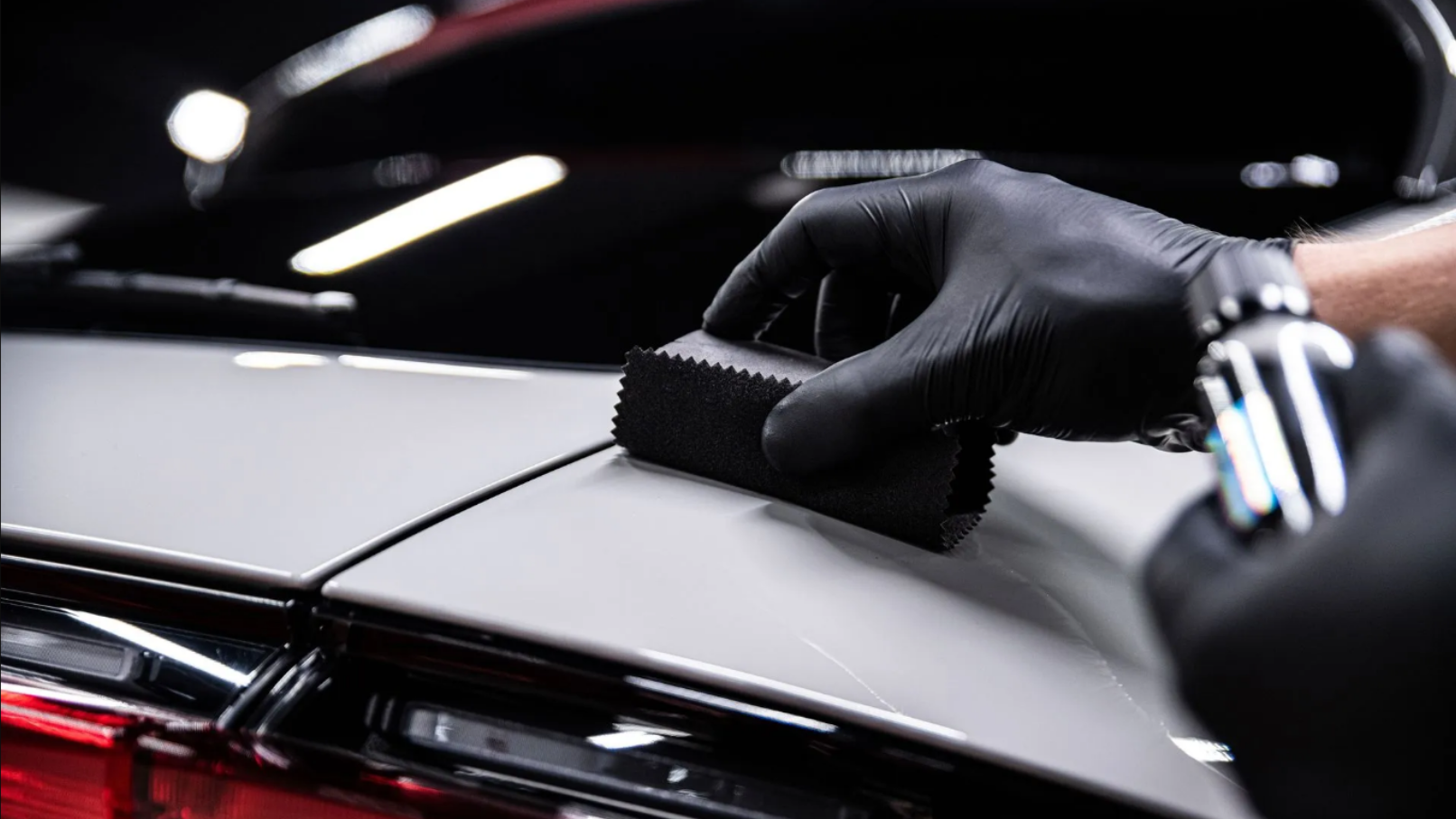
Ceramic coating forms a chemical bond with your clear coat at the molecular level. This creates a hard, glass-like layer over your paint. The coating is measured in microns - an incredibly thin protective layer.
This thin layer provides hardness and resists light abrasions better than unprotected paint. It creates a hydrophobic surface that repels water. Chemical contaminants like bird droppings don't etch as easily.
But it's not a physical barrier thick enough to absorb impact from flying rocks. Think of it like a hard shell over an egg - hard and protective, but drop a rock on it and you still get a crack.
What Ceramic Coating Actually Protects Against
UV protection blocks rays that cause paint to fade and oxidize. Your paint maintains color and gloss far longer.
Chemical resistance defends against environmental contaminants. Bird droppings, tree sap, and road salt that would damage bare paint are blocked by ceramic coating.
Water spotting prevention comes from hydrophobic properties. Water beads and rolls off. Minerals don't bond to the coating.
Minor scratch resistance helps against light contact. Shopping cart dings and fingernail scratches cause less damage.
Easier cleaning makes maintenance simpler. Dirt doesn't bond as strongly. Weekly washing takes less time.
What Ceramic Coating Does NOT Protect Against
Rock chips are the ceramic coating's primary limitation. A stone flying at highway speeds carries significant energy. That thin ceramic layer can't absorb the impact. The rock breaks through and chips your paint.
Deep scratches from significant contact penetrate the ceramic coating. Key scratches, parking lot incidents, and larger debris impacts all exceed what the coating can resist.
Physical impacts of substantial force aren't stopped. Door dings, shopping cart collisions, and accidental bumps damage the paint beneath.
Abrasive damage from automatic car washes can still occur. While ceramic coating resists light scratching better than bare paint, aggressive brush contact can mar the surface over time.
Why Paint Protection Film Handles Impact Protection
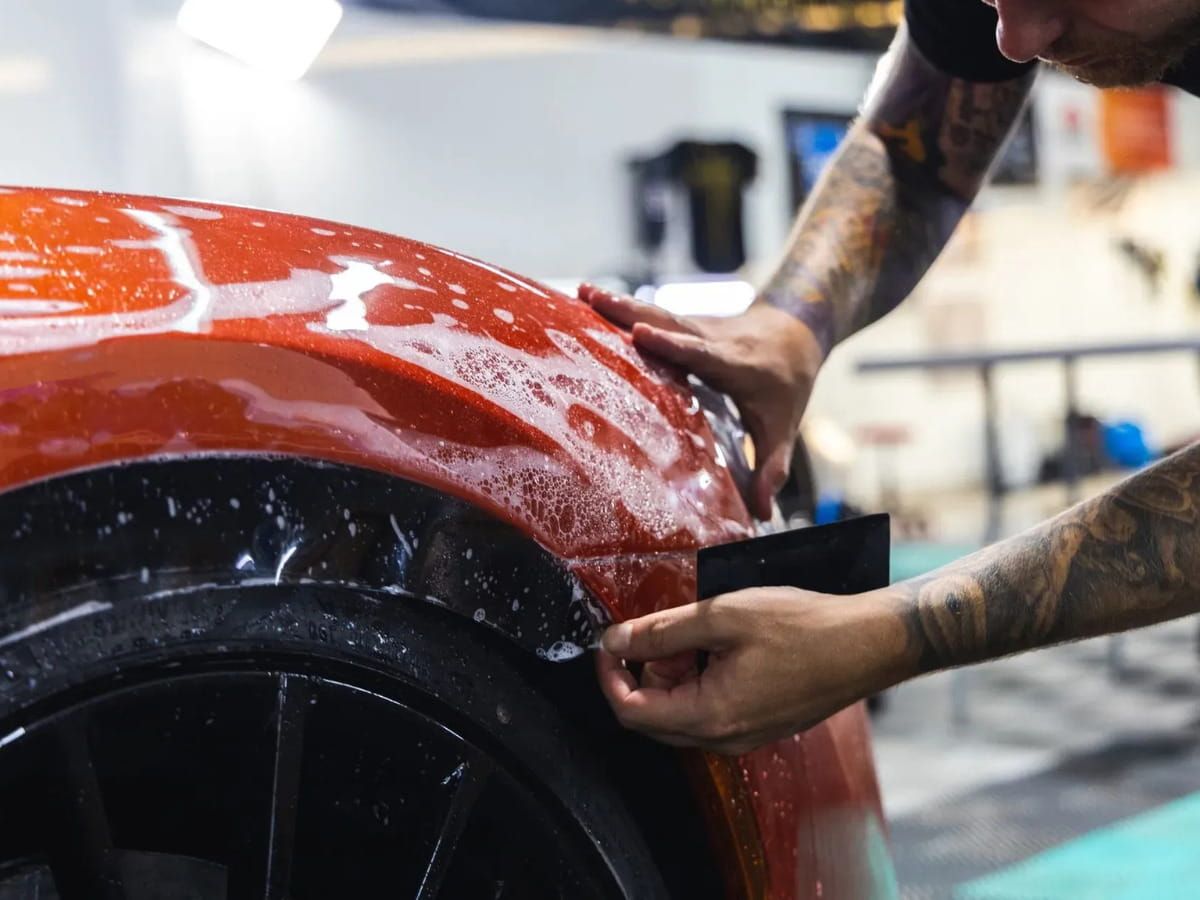
Paint protection film is engineered to absorb impacts. The film's thickness and elastic properties let it take a hit from flying debris without the impact reaching your paint.
PPF's self-healing properties address minor damage. Light scratches disappear when exposed to heat from the sun or warm water. The film returns to a smooth, clear state without replacement.
The film's thickness provides real physical protection. PPF is significantly thicker than the ceramic coating's micron-thin layer. This creates an actual barrier between road debris and your paint.
Installation on high-impact areas makes strategic sense. The front bumper, hood, fenders, mirrors, and door edges take the most abuse. PPF coverage on these vulnerable zones prevents damage where it's most likely.
The Ideal Protection Combination
Combining both delivers complete protection. PPF handles impact protection in high-risk areas. Ceramic coating protects the rest against UV rays, chemicals, and minor scratching.
The application order matters. Paint correction happens first. PPF gets installed on high-impact zones. Then the ceramic coating goes over everything, including the PPF.
Ceramic coating over PPF enhances the film - more hydrophobic, easier to clean, adding chemical resistance, and increasing gloss. This layered approach addresses different needs while providing maximum protection.
Making the Right Protection Choice
Highway commuters face constant rock chip risk. Front-end PPF becomes essential. Ceramic coating on the rest handles environmental protection.
City drivers deal more with parking hazards and environmental contaminants. Door edge PPF might be a priority, with ceramic coating protecting against urban pollution.
Enthusiasts maintaining show-quality vehicles often choose full PPF coverage with ceramic coating over everything for maximum protection.
Budget considerations influence decisions. Starting with PPF on the most vulnerable areas - front bumper, partial hood, and mirrors - provides impact protection where it matters most. Adding ceramic coating later extends protection to the entire vehicle.
Understanding What You're Actually Getting
Ceramic coating rock chip protection is limited because that's not what the product was designed for. It's like expecting a raincoat to stop bullets - wrong tool for the job. But for UV protection, chemical resistance, and easier maintenance? Ceramic coating excels.
PPF handles the impacts. Ceramic coating handles the environment. Together, they provide the complete protection most vehicle owners need.
At Envy Executive Automotive Protection, the focus is on matching protection to your actual needs rather than overselling products.
Get Complete Protection for Your Vehicle
Understanding what different protection products actually do helps you choose the right solution. Ceramic coating rock chip protection is limited, but that doesn't make ceramic coating less valuable - it means you need the right combination for complete coverage.
Talk with specialists who can assess your driving conditions, identify your highest-risk areas, and recommend protection matching your needs and budget. Whether that's PPF on vulnerable zones, ceramic coating for overall protection, or the ideal combination of both.
Connect with Envy Executive Automotive Protection for a protection assessment. We'll help you understand exactly what coverage makes sense for how you use your vehicle.
Frequently Asked Questions
Can ceramic coating prevent any rock chip damage?
Ceramic coating provides minimal rock chip defense. Very small, low-velocity debris might cause slightly less damage on coated surfaces, but highway-speed rock chips will penetrate and damage paint. For real rock chip protection, PPF is necessary.
Will ceramic coating protect my car on highway drives?
Ceramic coating protects against environmental damage - UV rays, bug splatter, and chemical contaminants. However, it won't stop rock chips from vehicles ahead. Highway driving demands PPF on the front for impact protection with ceramic coating, handling environmental defense.
Should I get PPF or ceramic coating first?
Get PPF installed first on high-impact areas, then apply ceramic coating over everything, including the PPF.Paint correction should happen before either product application for flawless results.
How thick is ceramic coating compared to PPF?
Ceramic coating measures a few microns thick - essentially microscopic. PPF is significantly thicker. This thickness difference explains why PPF stops impacts while ceramic coating doesn't. The coating provides surface hardness while PPF provides barrier protection.
Does ceramic coating make PPF last longer?
Ceramic coating over PPF enhances the film's performance. The coating adds chemical resistance, makes PPF easier to clean, and provides additional UV protection. However, PPF still handles impact protection and will need replacement based on damage accumulation.
Envy Executive CW Blog