The Difference Between Maintaining a Protected Vehicle and an Unprotected One
Maintaining a vehicle is important whether it has paint protection or not. But the experience can be very different when the vehicle has been professionally protected.
An unprotected vehicle takes environmental exposure directly on its paint, glass, trim, wheels, and interior. A properly protected vehicle has additional layers designed to help manage specific types of wear.
The difference becomes especially noticeable over time.
What Happens to an Unprotected Vehicle?
Everyday driving exposes automotive surfaces to contaminants and environmental conditions that can gradually affect their appearance.
Depending on where and how you drive, your vehicle may encounter:
- Road grime, dirt, and dust,
- Bird droppings and bug residue,
- Tree sap,
- UV exposure,
- Road salt and winter brine,
- Water and mineral deposits,
- Road debris and minor abrasions.
Without dedicated paint protection, these contaminants interact directly with the vehicle's factory finish.
That doesn't mean an unprotected vehicle will automatically become damaged or difficult to maintain. Regular washing and detailing still make a significant difference. But there is less of a protective barrier between the environment and the original surface.
A Protected Vehicle Has Different Maintenance Needs
Protection doesn't eliminate maintenance. It changes what maintenance has to accomplish.
A ceramic coating creates a hydrophobic, chemically resistant surface that can make dirt and contaminants easier to remove while helping protect the underlying paint from environmental exposure.
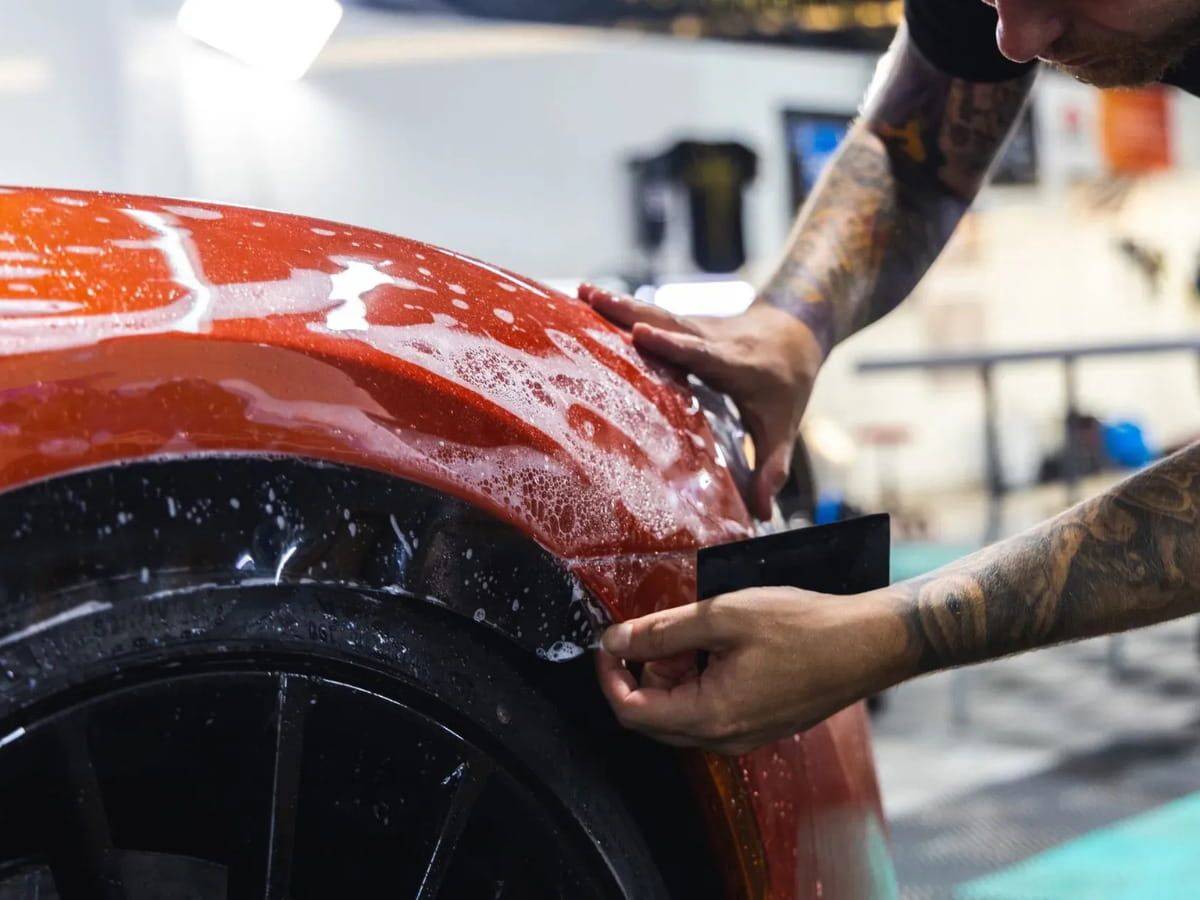
PPF works differently. It is a physical film designed to absorb impacts and help protect painted surfaces from hazards such as rock chips, scratches, and road debris. Modern films can also have self-healing properties for certain minor surface marks.
In other words, ceramic coating and PPF don't do the same job and neither replaces regular care.
Washing Can Be Easier With Ceramic Coating
One of the most noticeable differences is how the vehicle responds to routine cleaning.
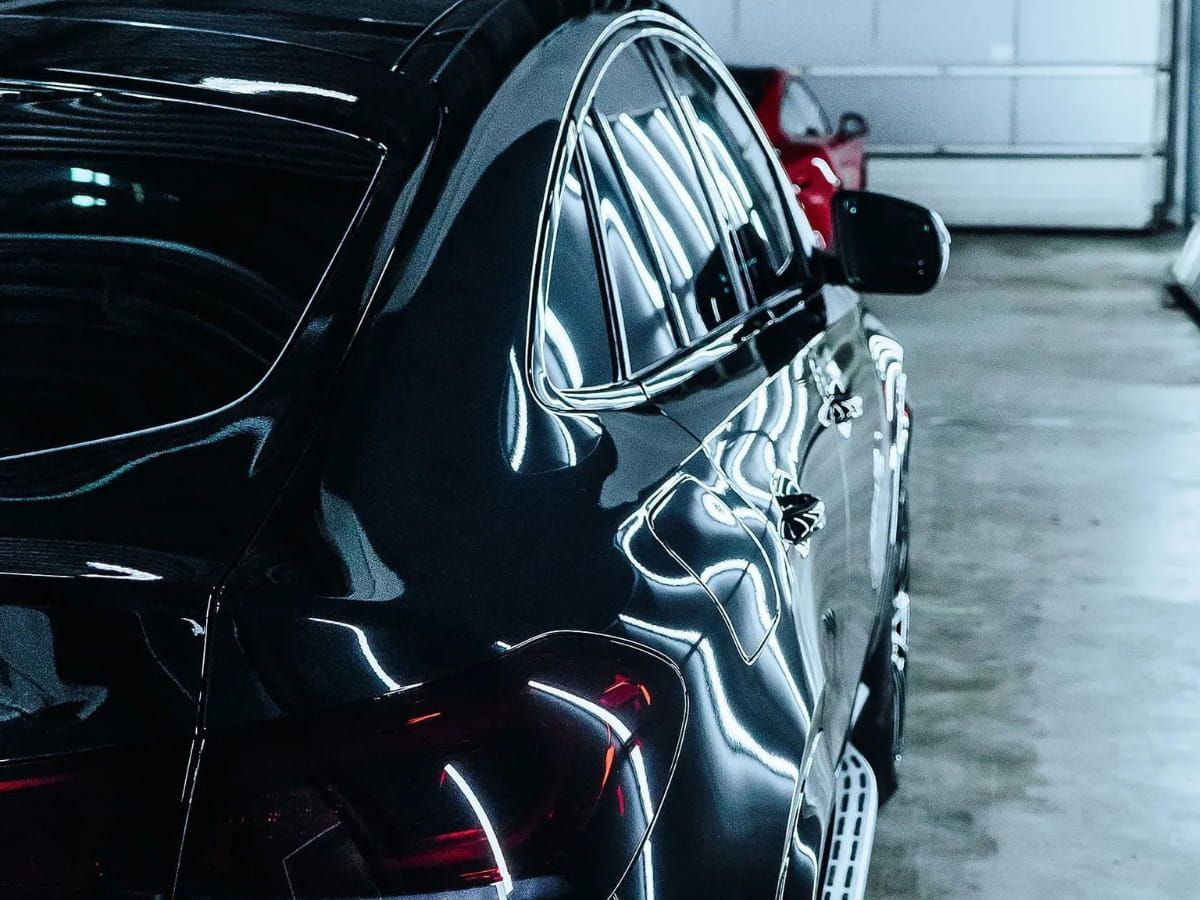
A ceramic coating's hydrophobic properties cause water to bead and contaminants to release more easily. That can reduce the effort required to maintain the vehicle's appearance.
This doesn't mean you can neglect washing. Dirt, road film, bird droppings, and other contaminants should still be removed properly and in a timely manner.
The advantage is that maintenance can become more about preserving the protected surface rather than constantly trying to restore an unprotected one.
PPF Changes the Equation for Road Damage
Ceramic coating is not designed to stop rock chips. That's where paint protection film provides a different type of defense.
PPF creates a sacrificial physical layer over painted surfaces. When a small rock or piece of road debris strikes a protected panel, the film can absorb much of the impact that would otherwise reach the paint.
Envy Executive offers STEK PPF packages ranging from front-end protection to full-body coverage, as well as a package that combines PPF with ceramic coating.
That combination is useful because the two products address different risks: PPF provides physical impact protection, while ceramic coating focuses more on surface protection, chemical resistance, hydrophobic behavior, and easier maintenance.
Protection Doesn't Mean Maintenance-Free
This is one of the most important distinctions.
A ceramic coating can make a vehicle easier to clean, but it can still accumulate contamination. PPF can help prevent chips, but it can still be damaged by sufficiently severe impacts.
Protected vehicles still need:
- Proper washing,
- Safe drying techniques,
- Prompt removal of bird droppings, bugs, and sap,
- Periodic professional inspection or maintenance,
- Care appropriate for the specific coating or film.
Envy Executive's ceramic coating programs reflect this maintenance-first approach. Its lifetime coating package includes ongoing maintenance requirements, and the company recommends maintenance every six months and no longer than annually for its lifetime coating system.
The objective isn't simply to install protection and forget about it. It's to maintain the protection so it can continue doing its job.
The Difference Becomes More Important Over Time
Imagine two otherwise identical vehicles driven under the same conditions for several years.
The unprotected vehicle's paint is exposed directly to road contamination, UV exposure, chemical contaminants, and everyday abrasion.
The protected vehicle still experiences those conditions, but its paint has an additional layer of defense.
That doesn't guarantee that the protected vehicle will remain flawless. Instead, it can reduce the amount of wear reaching the original surfaces and make routine maintenance more manageable.
This is also why professional preparation matters. Envy Executive uses paint correction as part of its coating process to address existing defects before protection is applied.
Protection Works Best as a System
There isn't one product that protects every part of a vehicle from every type of damage.
A practical protection strategy may combine:
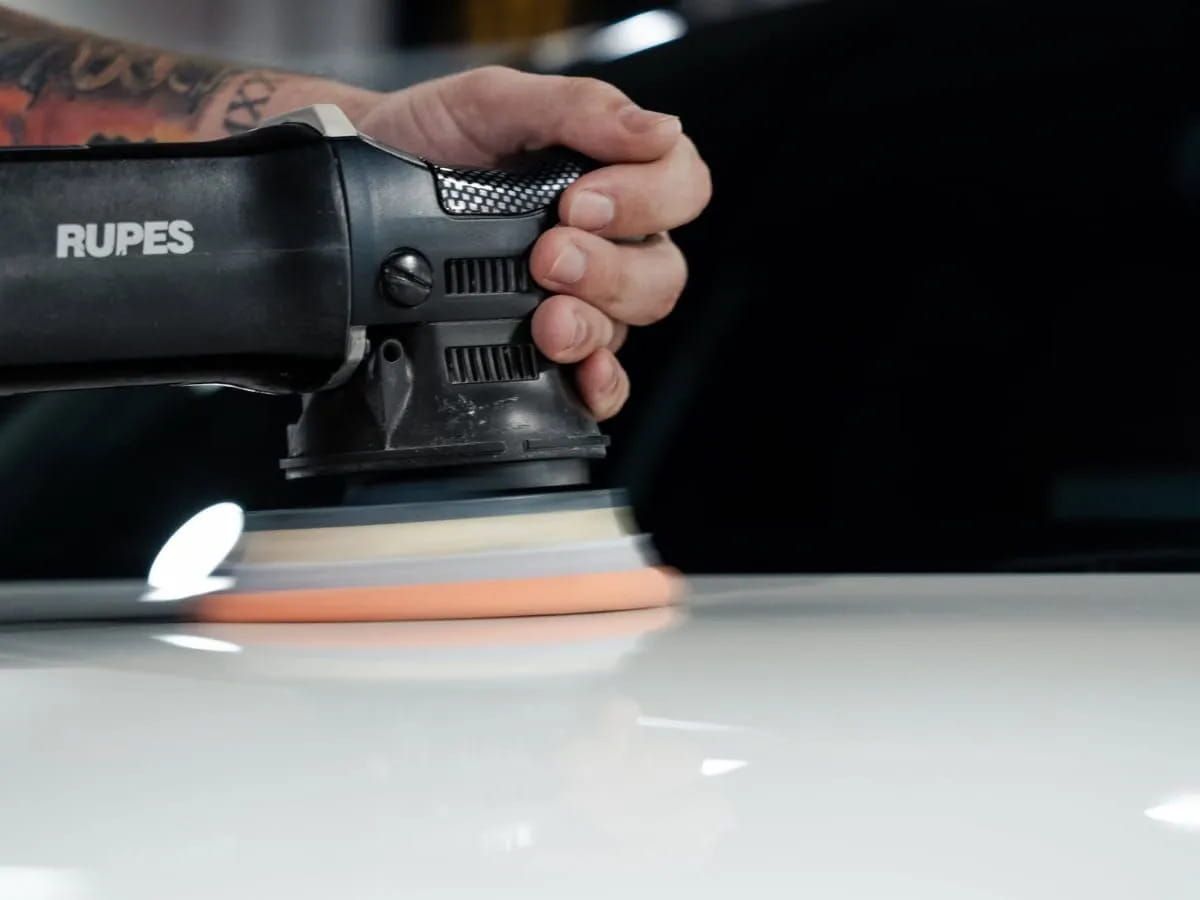
Paint correction - improves the condition of the existing finish before protection.
Ceramic coating - helps defend painted surfaces and other applicable areas against environmental contamination while improving hydrophobic performance and ease of maintenance.
PPF - provides physical protection against road debris, chips, and minor abrasions in covered areas.
Window tint - helps reduce heat, glare, and UV exposure inside the vehicle, while adding privacy depending on the film and application.
The right combination depends on the vehicle, how it is driven, where it is parked, and which areas are most exposed.
Protected vs. Unprotected: The Real Difference
The most significant difference isn't that one vehicle needs maintenance and the other doesn't.
Both do.
The difference is what happens between those maintenance appointments.
An unprotected vehicle relies primarily on cleaning and correction to deal with environmental exposure after it occurs. A protected vehicle uses coatings and films to help reduce that exposure in the first place.
At Envy Executive Automotive Protection, the focus is on correcting and protecting the vehicle as a complete system - from paint correction and ceramic coatings to STEK paint protection film, Llumar window tint, and professional detailing.
For drivers in Haddon Heights, Voorhees, Marlton, Haddonfield, Medford, Williamstown, and throughout South Jersey, the right protection plan starts with understanding what your vehicle actually encounters every day.
Protect first. Maintain consistently. Preserve what you drive.
Contact us today and see
how we can help you.
Envy Executive CW Blog